
Controlled release drug delivery is not a one-size-fits-all decision. For many molecules, the choice comes down to two very different routes: oral systems designed to control release as a tablet or capsule moves through the gastrointestinal tract, and injectable systems designed to deliver drug over days, weeks or even months from a depot or implant. That route selection has major implications for formulation strategy, manufacturability, patient experience and the ability to achieve a consistent therapeutic response.
Oral dosage forms continue to dominate pharmaceutical development because they are familiar, convenient, and generally cost-effective to manufacture at scale. Oral formulations account for the large majority of pharmaceutical products intended for human use, reinforcing why oral controlled release remains such an important formulation focus. Injectable controlled release systems, however, can offer compelling advantages when a drug has poor oral bioavailability, when adherence is a major concern, or when treatment requires a much longer duration of action than an oral product can realistically provide. For oral controlled release applications, excipient and coating selection are central to performance, which is why Colorcon’s expertise in matrix formers, functional film coatings, and modified release systems plays such an important role in formulation success.
Key Takeaways
- Oral controlled release is often the preferred choice when the drug has suitable oral bioavailability and once-daily or twice-daily dosing can meet therapeutic goals.
- Injectable controlled release is better suited to therapies that need prolonged exposure over days to months or where daily adherence is difficult to maintain.
- The right route depends on drug properties, target release duration, patient needs, manufacturing constraints, and regulatory expectations.
- Oral controlled release systems rely heavily on excipient and coating design, while injectable systems add sterile processing and biocompatibility challenges.
- For formulators, the decision is rarely about which route is universally better and more about which system best fits the molecule, the patient, and the product profile.
Comparison Summary Table: Oral CR vs. Injectable CR
The table below highlights the main formulation, patient, and manufacturing differences between oral and injectable controlled release systems and can be used as a quick reference when evaluating route selection.
|
Feature |
Oral Controlled Release |
Injectable Controlled Release |
|
Definition |
Drug in matrix or coated tablet engineered for controlled GI absorption |
Drug in depot (microspheres, implant, gel) for subcutaneous or intramuscular release |
|
Primary Goal |
Reduce dosing frequency; maintain therapeutic plasma levels via GI tract |
Extend release over days, weeks, or months; bypass GI tract |
|
Release Duration |
Hours (typically 8–24 hrs) |
Days to months (depot systems) |
|
Administration |
Self-administered (tablet, capsule) |
Requires clinical or trained administration (injection, implant) |
|
Patient Adherence |
High — convenient, non-invasive |
High for chronic conditions; lower acceptance for injections generally |
|
GI Factors |
Subject to food effects, gastric pH, motility, first-pass metabolism |
Bypasses GI tract; no first-pass effect |
|
Common Formulations |
Matrix tablets, film-coated tablets, HPMC systems, osmotic tablets (OROS), multiparticulate pellets |
PLGA microspheres, liposomes, in situ gelling depots, subcutaneous implants |
|
Regulatory Pathway |
NDA/ANDA (21 CFR 314/320); FDA SUPAC-MR guidance applies |
NDA (21 CFR 312 IND); biocompatibility (ISO 10993) and sterility requirements |
|
Key Excipients / Materials |
HPMC, ethylcellulose, polyvinyl acetate, acrylic polymers, plasticizers |
PLGA, PLA, PEG, chitosan, polycaprolactone |
|
Example Drug Classes |
Antihypertensives, antidiabetics, antidepressants, analgesics |
Antipsychotics, oncology agents, contraceptives, hormones |
|
Manufacturing Complexity |
Moderate; scalable tablet and pellet manufacturing |
High; sterile manufacturing, particle size control, lyophilization often required |
What Is an Oral Controlled Release Drug Delivery System?
An oral controlled release drug delivery system is designed to regulate the rate, timing, and sometimes the site of drug release after administration by mouth. Instead of releasing the full dose immediately, these systems are engineered to deliver drug gradually so plasma concentrations can be maintained over an extended period, helping reduce dosing frequency and minimize peak-to-trough fluctuations.
Common oral platforms include hydrophilic matrix tablets, membrane-coated reservoir systems, osmotic tablets, and multiparticulate capsules containing coated pellets or beads. The best option depends on the drug’s solubility, dose, half-life, absorption window, and oral bioavailability. Biopharmaceutics Classification System considerations are also important because a drug with poor permeability or an unstable absorption profile may be difficult to manage in a conventional oral controlled release format.
How Oral Controlled Release Works
Oral controlled release systems work by creating a barrier between the drug and the surrounding GI fluids or by embedding the drug within a matrix or reservoir that controls how quickly it dissolves and diffuses out. In matrix systems, water penetrates the tablet and the drug is released through diffusion, erosion, or a combination of both. In reservoir systems, the drug core is surrounded by a rate-controlling membrane that governs liquid ingress and drug release. Osmotic systems use water uptake and pressure-driven release to deliver drug at a more predictable rate.
From a performance standpoint, formulators often aim to flatten the plasma concentration curve compared with an immediate-release product. Some systems approximate zero-order release over part of the dosing interval, while others follow first-order or mixed kinetics. In practice, the desired release profile must align with the drug’s therapeutic window and clinical objective, which is why in vitro dissolution testing and in vivo performance need to be considered together.
Advantages and Limitations of Oral CR Systems
 The biggest advantages of oral controlled release are convenience and familiarity. Patients can usually self-administer tablets or capsules without clinical support, and manufacturers can often scale oral solid dosage forms more efficiently than sterile injectable products. Oral controlled release can also improve tolerability by reducing high peak concentrations and help support adherence by moving from multiple daily doses to once-daily dosing.
At the same time, oral controlled release has clear limitations. GI transit time, food effects, pH variation, and first-pass metabolism can all introduce variability. Some drugs simply do not have the absorption characteristics needed for a robust oral controlled release product. There is also a product design risk: if the release-controlling membrane or matrix is compromised, dose dumping can occur, making formulation robustness and dissolution control especially important.
What Is Injectable Controlled Release Drug Delivery?
Injectable controlled release drug delivery refers to parenteral formulations that release drug over an extended period after a single administration. These systems are typically delivered subcutaneously or intramuscularly and are designed to maintain therapeutic exposure over days, weeks, or months. Rather than relying on GI transit, they create a depot at the site of administration or use an implanted system that gradually releases the active ingredient.
 Typical injectable controlled release technologies include PLGA microsphere depots, liposomal systems, in situ gelling depots, and long-acting implants. Because they bypass the GI tract and first-pass metabolism, they are especially useful for drugs with poor oral bioavailability or for therapeutic areas where uninterrupted exposure is critical, such as long-acting antipsychotics, hormone therapies, oncology products, and contraception.
Advantages and Limitations of Injectable CR Systems
The main advantage of injectable controlled release is duration. A single administration can remove the burden of daily dosing and deliver a more dependable adherence profile for patients who struggle with complex regimens. Injectable systems also avoid first-pass metabolism and can be valuable when an oral route is impractical or ineffective.
The trade-off is complexity. Injectable controlled release products usually require sterile manufacturing, tight particle or implant control, and careful management of local tolerability and biocompatibility. They may also require administration by a healthcare professional, which can increase cost and reduce flexibility for the patient. Development programs are typically more demanding from a CMC and clinical standpoint because release behavior, sterility assurance, and long-term safety all need to be demonstrated.
Oral vs. Injectable Drug Delivery: Key Differences for Formulators
For formulators, route selection usually starts with the molecule. Solubility, permeability, half-life, dose, stability, and therapeutic index all help determine whether an oral controlled release system is feasible or whether an injectable depot is more realistic. Drugs that are well absorbed orally and need coverage over 8 to 24 hours often fit oral controlled release well. Drugs with poor oral bioavailability or a need for very long exposure may push development toward injectable controlled release instead.
Patient factors matter just as much. If self-administration, convenience, and lower treatment burden are the priority, oral controlled release often has the advantage. If adherence is a persistent problem or treatment is delivered in a clinical setting anyway, a long-acting injectable may provide better real-world outcomes. Manufacturing and commercial considerations also play a role: oral solid dosage forms are generally more scalable and cost-efficient, while injectable controlled release products demand greater investment in sterile capability and process control.
When to Choose One Delivery System Over the Other
Choose oral controlled release when the drug has adequate oral bioavailability, the target release window can be achieved within a daily dosing schedule, and the product is intended for routine self-administration. This route is especially attractive when development priorities include scalable manufacturing, lower cost of goods, and a familiar patient experience.
Choose injectable controlled release when the required duration extends well beyond 24 hours, when oral absorption is unreliable, or when missed doses create a significant clinical risk. In some cases, the best strategy is sequential rather than either-or: an oral controlled release product may be used for dose finding or initial stabilization before a patient transitions to a depot maintenance therapy.
|
Drug / Therapeutic Area |
Preferred CR Route |
Rationale |
|
Antihypertensives (e.g., nifedipine) |
Oral CR |
Once-daily dosing achievable; well-established oral bioavailability; patient self-administration |
|
Antidiabetics (e.g., metformin) |
Oral CR |
Reduces GI side effects vs. IR; once-daily convenience; suitable oral bioavailability |
|
Antipsychotics (e.g., risperidone) |
Injectable CR (depot) |
Bi-weekly/monthly injection eliminates daily adherence issues; critical for schizophrenia management |
|
Contraceptives (e.g., progestins) |
Injectable CR / Implant |
Months of release from single administration; removes daily adherence requirement |
|
Oncology (e.g., leuprolide) |
Injectable CR (depot) |
Sustained hormone suppression with monthly dosing; poor oral bioavailability |
|
Analgesics (e.g., opioids) |
Oral CR |
Sustained pain control; patient-managed dosing; abuse-deterrent formulations available |
Regulatory Considerations: Oral CR vs. Injectable CR
Regulatory expectations differ meaningfully between oral and injectable controlled release products. For oral modified release solid dosage forms, the FDA’s SUPAC-MR guidance remains an important reference for post-approval changes involving composition, manufacturing site, scale, process, dissolution testing, and bioequivalence documentation. In Europe, the term prolonged-release is commonly used for oral products, reflecting a similar emphasis on demonstrating consistent release performance and product quality.
Injectable controlled release products typically carry a heavier CMC burden because they combine extended release performance with sterile product requirements. In addition to release characterization, developers may need to address sterility assurance, container closure considerations, local tolerability, extractables and leachables, and biocompatibility depending on the system design. That added complexity is one reason route selection should be aligned with the product’s real clinical and commercial needs from the earliest stages of development.
The Role of Excipients and Coating Systems in Oral Controlled Release
In oral controlled release development, excipients and coating systems are not secondary components. They are often the main tools formulators use to build the target release profile. Polymer selection in the core influences hydration, diffusion, erosion, permeability, and robustness, while coating type can modulate release profiles from a matrix, a membrane-controlled reservoir, or as part of an osmotic delivery platform.
In membrane-controlled systems, variables like film thickness, coat weight, and polymer-to-plasticizer balance can have a direct impact on permeability. Colorcon’s oral controlled release portfolio includes technologies such as Corelease, Surelease and AnyCoat polymers.
Explore Our Products
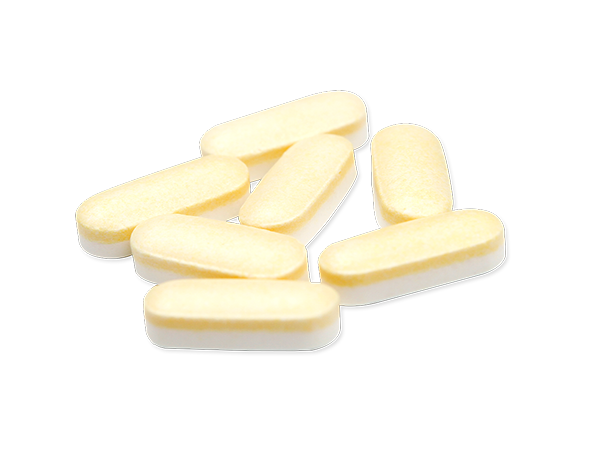
Surelease®
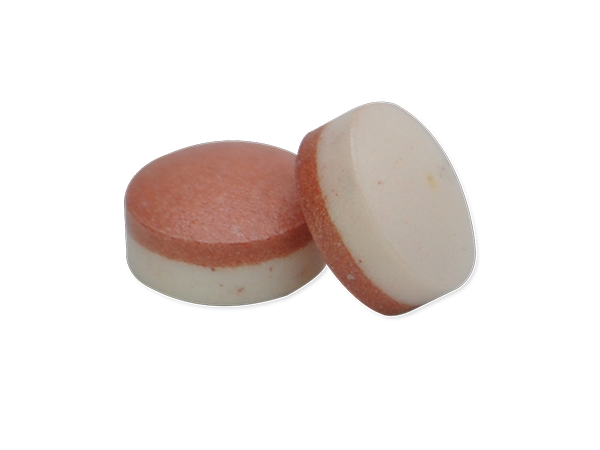
Corelease™ OPL
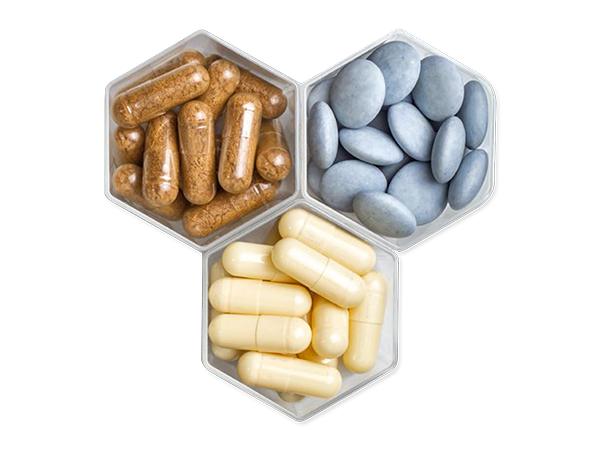
AnyCoat® HPMC
Choosing the Right Excipient System for Your Oral CR Drug
Choosing the right excipient system starts with a clear target product profile. Drug half-life, solubility, permeability, dose load, therapeutic index, and intended duration all shape the decision between a hydrophilic matrix, a membrane-coated multiparticulate, or another modified release approach. A system that works well for a low-dose, highly soluble API may not be suitable for a high-dose compound with a narrow absorption window.
BCS classification can also help guide selection by highlighting whether solubility or permeability is likely to limit performance. The goal is not simply to slow release, but to do so in a way that still supports reliable absorption and manufacturable processing. This is where formulation screening, dissolution profiling and excipient expertise become especially valuable.
Colorcon’s Oral Controlled Release Solutions
Colorcon supports oral controlled release development with a portfolio that spans matrix formers, functional film coatings, and formulated controlled release systems. For teams working through route selection or excipient choice, a discussion with a formulation specialist can help narrow the most practical path forward. Contact us today.

Related Resources
- What is controlled release?
- Extended-release tablet formulation - challenges and best practices
- The role of pharma excipients in enhancing drug stability and absorption
- What types of coating are used in the pharma industry?
Frequently Asked Questions
What is an oral controlled release drug delivery system?
It is an oral dosage form engineered to release drug gradually over time rather than all at once, helping maintain therapeutic levels for longer and reducing how often the patient needs to take the medicine.
What is the difference between oral and injectable controlled release?
The main difference is where and how the release is controlled. Oral systems manage release through the GI tract using matrices, coatings, or osmotic mechanisms, while injectable systems create a depot or implant that releases drug over a much longer period without relying on GI absorption.
What excipients are used in oral controlled release formulations?
Common excipients include hypromellose, ethylcellulose, polyvinyl acetate, acrylic polymers, and plasticizers used in matrix systems or functional coatings to control water uptake, diffusion, and erosion.
Can all drugs be formulated as oral controlled release?
No. Some drugs are poor candidates because of low oral bioavailability, narrow absorption windows, high dose requirements, instability in the GI tract, or pharmacokinetic properties that make controlled oral delivery unreliable.
How does the FDA regulate injectable controlled release products?
They are regulated as complex drug products and typically require evidence for release performance, sterility assurance, product quality, and safety, along with additional attention to biocompatibility and long-term pharmacokinetic behavior where relevant.
Is oral controlled release better for patient adherence than injectable?
Not always. Oral products are usually more convenient and non-invasive, but long-acting injectables can improve adherence in real-world settings when patients struggle to take daily medicines consistently.

.png)