Imagine a world where your medication not only helps you feel better but also tastes good, lasts longer, and is easier to take. That’s the magic of pharmaceutical coatings.
Sugar Coatings
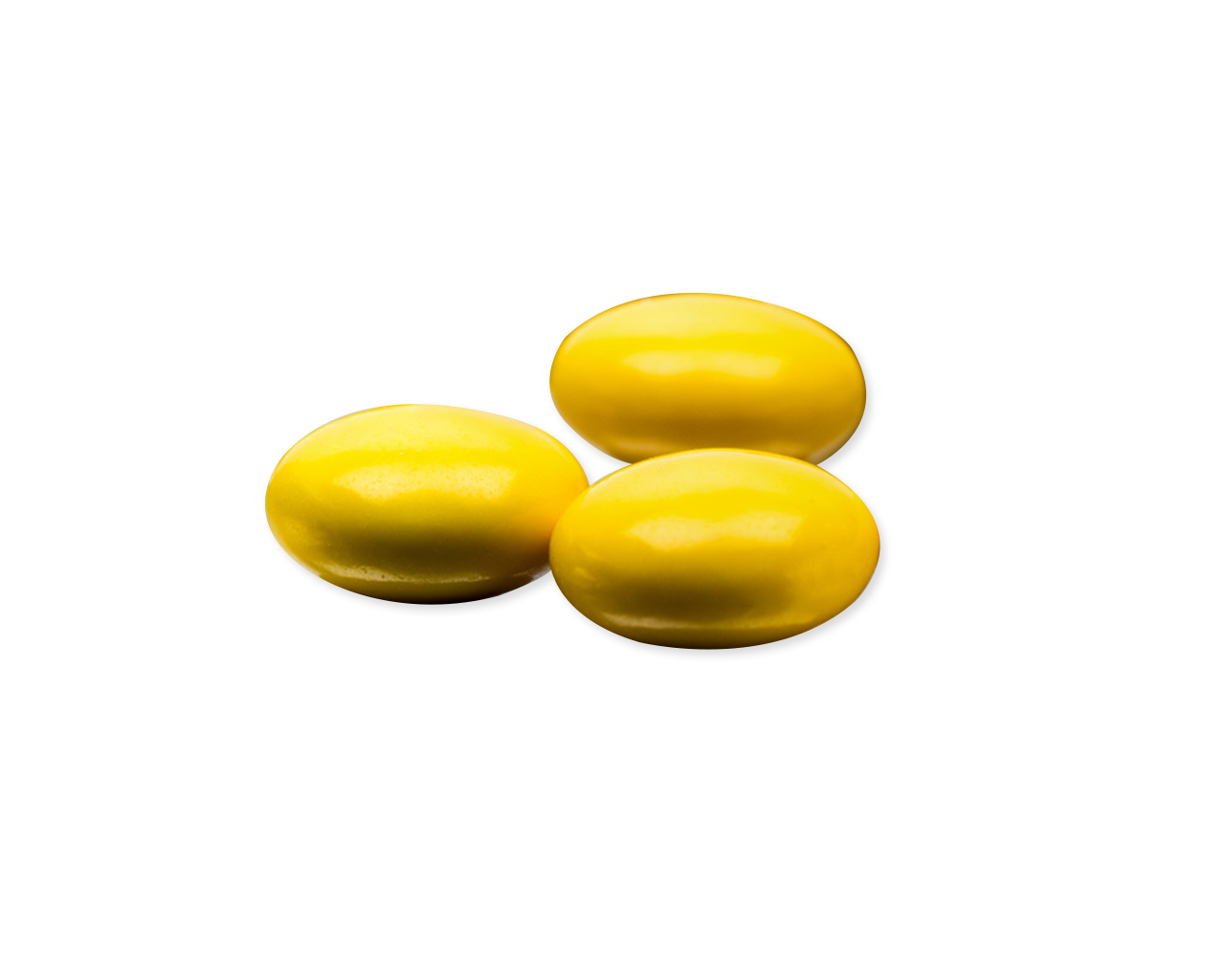 |
Sugar coatings, once a staple in the pharmaceutical world, are no longer a dominant force but are still in use for some traditional formulations. These coatings, primarily made of sucrose, mask the bitter taste of tablets and provide a glossy, attractive finish. Although less common today due to advancements in technology, they serve a niche purpose and maintain their charm in specific applications. |
Use Case
Mainly used for over-the-counter medications like ibuprofen or Advil. This is primarily for maintaining brand identity, consumer preference or a reluctance to change the registered formulation.
Pros |
Cons |
| Simple equipment and technique | Higher weight gain required – long process times |
| Elegant appearance | Manual process – operator skill dependent |
| Batch to batch variability | |
| Many require the use of organic solvents | |
| Multiple ingredients required |
Formulation
A typical sugar coating consists of the following ingredients:
-
Sweeteners: typically, sucrose but sometimes sorbitol or lactose.
-
Binders: to help the coating adhere to the tablet core. Examples include gum acacia, gelatin, starch or cellulose derivatives.
-
Fillers: opacifiers like talc or calcium carbonate may be used in sub-coating to smooth, build shape and provide opacity.
-
Colorants: to give the tablet its final color.
-
Polishing agents: to achieve a glossy finish and provide moisture resistance. Examples include carnauba wax or beeswax.
Immediate Release Coatings
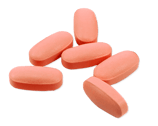 |
Immediate release coatings are versatile, addressing specific challenges such as moisture or oxygen protection. They improve patient compliance by providing taste masking and swallowability enhancement. By protecting tablets against environmental factors like humidity and light, these coatings extend the product's shelf life and ensure that patients receive the highest quality medication possible. |
Use Case
Can be used for any medication that doesn’t require controlled or enteric release. It is most often used when rapid drug action is needed including pain relief or allergies.
Pros |
Cons |
| Improve product appearance without changing release of the drug | Often viewed as an extra step, although benefits usually outweigh the overall cost |
| Effectively taste mask bitter drugs | Specialized equipment required |
| Improve swallowability | Potential defects if the coating process isn’t optimized |
| Protect from light, moisture and oxygen | |
| Faster packaging |
Formulation
A typical immediate release film coating consists of the following ingredients:
-
Polymers: typically, HPMC or PVA are used to form the actual film.
-
Plasticizers: makes the brittle polymer flexible to prevent cracking.
-
Pigments/opacifiers: to add color and block light.
-
Solvent: water or organic solvents are used to dissolve the ingredients for spraying.
Enteric Coatings (Delayed Release)
.png?width=136&height=109&name=Acryl-EZE%C2%AE%20Aqueous%20Acrylic%20Enteric%20System%20(Delayed%20Release).png) |
Enteric coatings are the unsung heroes for drugs sensitive to stomach acid. These coatings ensure that medications bypass the acidic stomach environment and dissolve in the more neutral pH of the intestines. |
Use Case
Enteric coatings are applied to medicines that need protection from stomach acid or to prevent irritation of the stomach lining. Common examples include proton pump inhibitors such as omeprazole and non-steroidal anti-inflammatory drugs (NSAIDs) like aspirin and ibuprofen.
Pros |
Cons |
| Protect drugs from stomach acid to ensure they remain effective | Delayed onset of action because it takes longer to pass through the stomach before dissolving |
| Reduce gastric irritation | Higher manufacturing cost due to complexity |
| Targeted drug delivery for better absorption and therapeutic effect | Variability in drug release between different individuals |
| Protect from light, moisture and oxygen |
Formulation
An enteric film coating typically consists of the following ingredients:
-
pH-sensitive polymers: to ensure the film remains intact in the stomach. Cellulose based polymers are used alongside copolymers like PVAP, methacrylic acid or other acrylates.
-
Plasticizer: prevent film cracking. Examples include citrate esters, phthalate esters or polyethylene glycol.
-
Pigments: to add color and block light.
-
Solvent: water or organic solvents are used to dissolve the ingredients for spraying.
Controlled-Release Coatings
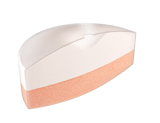 |
For medications that need to maintain therapeutic levels over an extended period, controlled-release coatings are crucial. These coatings enable the gradual release of the drug, improving patient adherence and ensuring consistent therapeutic effects. |
Use Case
Controlled-release medications are commonly prescribed for conditions such as chronic pain, hypertension, diabetes, and ADHD. These formulations use specialized coatings to ensure a steady release of the drug over time, reducing dosing frequency and maintaining consistent therapeutic levels.
Pros |
Cons |
| Improved efficiency – deliver drugs precisely where they are needed | Manufacturing complexity and cost |
| Reduced side effects and dosing regimen | Risk of dose dumping if the tablet is crushed or broken |
| Protect from light, moisture and oxygen | Formulation challenges |
| Reformulation to extend the product lifecycle | Delayed onset of action making it unsuitable for acute conditions |
Formulation
Controlled release film coatings typically consist of the following ingredients:
-
Polymers: to control drug release. Polymers used include ethyl cellulose, HPMC or HPMC-P.
-
Plasticizer: prevent film cracking. Examples include polyethylene glycol or glycerol.
-
Pigments: to add color and block light.
-
Solvent: water or organic solvents are used to dissolve the ingredients for spraying.
Common Ingredients and Components of Pharmaceutical Coating Systems
Film-forming polymers
Form the backbone of the film coating and determines flexibility, strength, and release behavior.
Plasticizers
Improve flexibility, reduce brittleness and help to prevent cracking or peeling during the coating and handling process.
Solvents or dispersing media
Carry the coating formulation during application and evaporate during drying; these may be aqueous or organic solvents.
Colorants and pigments
Provide color and visual identification. Some pigments, such as iron oxide help protect drug substances from light.
Opacifiers
Increased opacity shields the tablet from light and improves product appearance.
Anti-tacking agents
Reduce sticking between tablets during the coating process.
Flavoring or taste-masking agents
Help obscure unpleasant tastes or odors, improving patient acceptability.
Stabilizers
Protect coating components and help maintain formulation integrity during processing and storage.
Release-modifying agents
Control how quickly or where the drug is released, where functional performance is required.
Glossing or polishing agents
Enhance surface appearance for aesthetic purposes.
Why Film Coatings Are the Best of All Worlds
Film coatings are considered the gold standard in pharmaceutical coatings for several reasons:
 |
Protects the active ingredient while enhancing patient experience |
 |
Cost-effective and easy to apply |
 |
Highly customizable for specific drug release profiles and aesthetic needs |
 |
Addresses moisture protection, taste masking, and color consistency |
 |
Enhances palatability and visual appeal for better patient compliance |
 |
Ensures stability without compromising effectiveness |
Closing Thoughts
The pharmaceutical industry depends on a wide range of coating technologies to meet diverse drug delivery requirements. From traditional sugar coatings to advanced film coatings, each plays a vital role in improving medication performance and supporting patient adherence.
Colorcon continues to lead innovation in this space, developing cutting-edge formulations and technologies that optimize controlled-release mechanisms and enhance overall treatment outcomes.
As regulatory frameworks evolve and patient expectations rise, the need for advanced coating solutions becomes even more critical. Future technological advancements will not only improve patient experience and safety but also streamline manufacturing processes, driving efficiency across the industry.
Frequently Asked Questions
- Why are tablets and capsules coated in pharmaceuticals?
Tablets and capsules are coated for many reasons including:
-
- Color differentiation for branding or ease of identification
- Ease of swallowing
- Taste and odor masking
- Improve stability
- Controlled or targeted drug release
- Improved mechanical strength and handling
- Do tablet coatings change how medicine works?
No, tablet coatings do not alter the active ingredient or its therapeutic effect. Enteric or modified release coatings do control where and when a medicine is released in the body.
- What materials are commonly used in pharmaceutical coatings?
A basic film coating consists of polymers, plasticizers and pigments. Polymers form the backbone, ensuring adhesion, flexibility and controlled release. Plasticizers prevent brittleness and cracking, while optional additives like anti-tacking agents, surfactants or flavors ours enhance performance and patient experience. - How are coatings applied to tablets during manufacturing?
Coatings are applied to tablets using specialized equipment that sprays a coating solution onto tablets while they tumble in a rotating pan or move through a fluid-bed coater. Warm, controlled air evaporates the solvent, leaving a thin, uniform coating that adheres to the tablet surface. - Can tablet coatings affect patient safety or compliance?
Yes, tablet coatings can have a positive impact on both patient safety and compliance. By making tablets easily identifiable through features such as color, shape, and logo, coatings help reduce the risk of medication errors by pharmacists, patients, and caregivers. Additionally, coatings improve swallowability, creating a more comfortable experience for patients. This ease of use encourages adherence to prescribed treatment, supporting better health outcomes.

.png)