- Home
- Education & Insights
- Search
- The Complete Guide to Talc‑Free Film Coatings for Pharmaceuticals and Dietary Supplements
The Complete Guide to Talc‑Free Film Coatings for Pharmaceuticals and Dietary Supplements
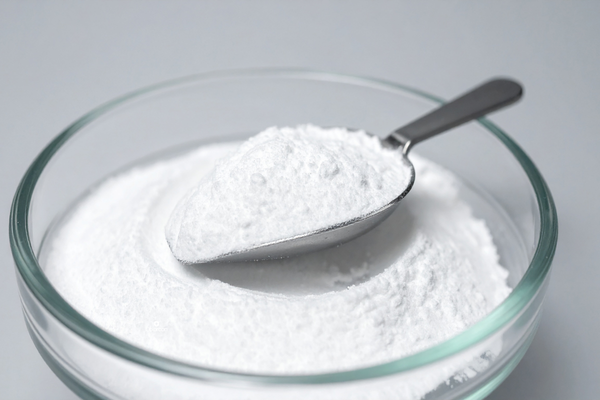
Table of Contents
Talc is a naturally occurring mineral composed primarily of magnesium, silicon, and oxygen. It is widely used in various industries, including pharmaceuticals and dietary supplements, due to its unique physical and chemical properties.
Key Takeaways
-
Talc’s role in coatings: Traditionally used as an anti-tacking agent, talc improves flow, surface smoothness, and process efficiency in tablet coatings.
-
Regulatory: Concerns about asbestos contamination have led to stricter purity standards and increased scrutiny from FDA and EMA.
-
Shift to talc-free: Companies are moving away from talc to mitigate risk, address consumer perception, and prepare for future regulations.
-
Colorcon solutions: Talc-free coating alternatives that maintain performance, compliance, and ease of transition are available.
What is the Role of Talc in Film Coatings?
In pharmaceutical and dietary supplement tablet coatings, talc serves several important functions:
| Role | How Talc Helps |
|
Anti-Tacking Agent |
Prevents coated tablets from sticking to each other or to equipment during the coating process. Its plate-like structure creates a barrier that reduces tackiness. |
|
Improves Flow and Dispersion |
Enhances the flow properties of coating suspensions, making them easier to apply uniformly. This contributes to consistent film formation across tablets. |
|
Surface Smoothness and Appearance |
Contributes to a smooth, aesthetically pleasing finish on coated tablets, improving their visual appeal and consumer acceptance. |
|
Moisture Barrier Support |
While not the primary moisture barrier, talc assists in improving the overall integrity of the coating, helping protect the core from environmental moisture. |
|
Aids Process Efficiency |
By reducing sticking and improving suspension stability, talc allows for a wider process range and more efficient coating operations. |
Regulatory Scrutiny Surrounding Talc
Talc has come under increasing regulatory scrutiny in recent years, primarily due to concerns about potential contamination with asbestos, a known carcinogen, and its implications for consumer safety.
Here’s an overview of the regulatory landscape
-
Source and Purity Concerns: Talc is mined from natural deposits, and some deposits can be contaminated with asbestos fibers. Even trace amounts pose health risks. Colorcon only uses pharmaceutical-grade talc verified to be asbestos-free.
-
Litigation and Public Perception: High-profile lawsuits and media coverage have heightened awareness, prompting regulators to act more cautiously.
Key Regulatory Drivers
FDA (United States)
-
The U.S. Food and Drug Administration has conducted sampling and testing of talc-containing products to ensure they are asbestos-free.
-
While talc is still permitted in pharmaceutical and nutraceutical coatings, manufacturers must demonstrate compliance with strict purity standards.
European Medicines Agency (EMA)
-
EMA requires pharmaceutical-grade talc to meet stringent specifications for asbestos absence.
-
Increased emphasis on supplier qualification and traceability.
Talc continues to be permitted for use in pharmaceutical and nutraceutical coatings worldwide (except for nutraceutical applications in Japan), provided it complies with strict purity requirements.
Why Companies Are Moving Toward Talc-Free
Regulatory Futureproofing: Anticipating tighter regulations, many companies are proactively reformulating to avoid future disruptions.
Consumer Perception: Growing awareness and lawsuits around talc in personal care products have influenced expectations for pharmaceuticals and nutraceutical products.
Supply Chain Stability: Proactive reformulation to talc-free helps ensure uninterrupted supply of finished products to patients and consumers, mitigating the risk of supply disruptions should talc be restricted or no longer accepted as an excipient in pharmaceutical or nutraceutical applications.
Risk Mitigation: Whether driven by reformulation requirements, supply chain constraints, or evolving consumer expectations, talc-free products reduce overall business risk by proactively aligning with future regulatory, market, and compliance demands.
What Coating Solutions Does Colorcon Have to Offer?
Colorcon provides a comprehensive range of talc-free film coating solutions to meet diverse formulation needs. Whether formulators are looking for fast, efficient coating, superior moisture protection, or a smooth, uniform finish, we have a talc-free option that delivers consistent performance without compromising quality. All solutions are fully tested to ensure regulatory compliance and enable a seamless transition without impacting your coating process.
Does the Film Coating Function the Same Without Talc?
In short yes. Extensive testing across multiple parameters including viscosity, film properties, moisture barrier, appearance, processing range and stability confirms talc-free alternatives meet industry standards.
Our application work demonstrates that Colorcon’s talc-free portfolio can seamlessly replace talc-containing formulations, maintaining process efficiency and product quality.
How Can Colorcon Support You?
Colorcon provides comprehensive support to help customers transition to talc-free coatings smoothly and successfully. This begins with the design of talc-free coating formulations tailored to meet specific product requirements. We’ll supply samples for evaluation, followed by assistance in conducting trials and ensuring trial success.
Once the sample meets your requirements at lab scale, Colorcon provides full support through scale up and implementation, ensuring the process runs smoothly and efficiently. Beyond initial adoption, we offer ongoing technical and regulatory support, along with training and optimization programs to help teams achieve consistent performance. Throughout the transition, Colorcon delivers uncompromised performance products, proactive planning for reformulation needs, and hands-on technical guidance to make the switch seamless.
Final Thoughts
Talc has long been a key component in tablet film coatings, providing benefits such as anti-tacking, improved flow, and enhanced tablet appearance. However, growing regulatory scrutiny and consumer concerns over asbestos contamination have prompted a shift toward talc-free formulations. Colorcon addresses this need with talc-free coating systems that deliver equivalent performance and regulatory compliance. These solutions simplify supply chain management, reduce risk, and ensure a seamless transition without compromising quality or efficiency, supported by Colorcon’s comprehensive technical and regulatory assistance.
Frequently Asked Questions
-
Does talc-free affect product performance or my coating process?
No, the product performance of talc-free formulations is comparable to talc-containing formulations. Tested across several performance parameters such as viscosity, film properties, appearance, moisture barrier properties, process range and stability.
-
Do I need to convert to a talc-free coating?
There is currently no regulatory requirement. Talc is still permitted in pharmaceutical coatings provided it meets strict purity standards (asbestos-free, pharmaceutical grade). Some companies are removing talc from pharmaceuticals to mitigate risk.
-
How can Colorcon support me in the talc-free assessment?
Colorcon will propose alternative talc free formulations based on your requirements and support implementation from laboratory scale to commercial manufacture.

.png)