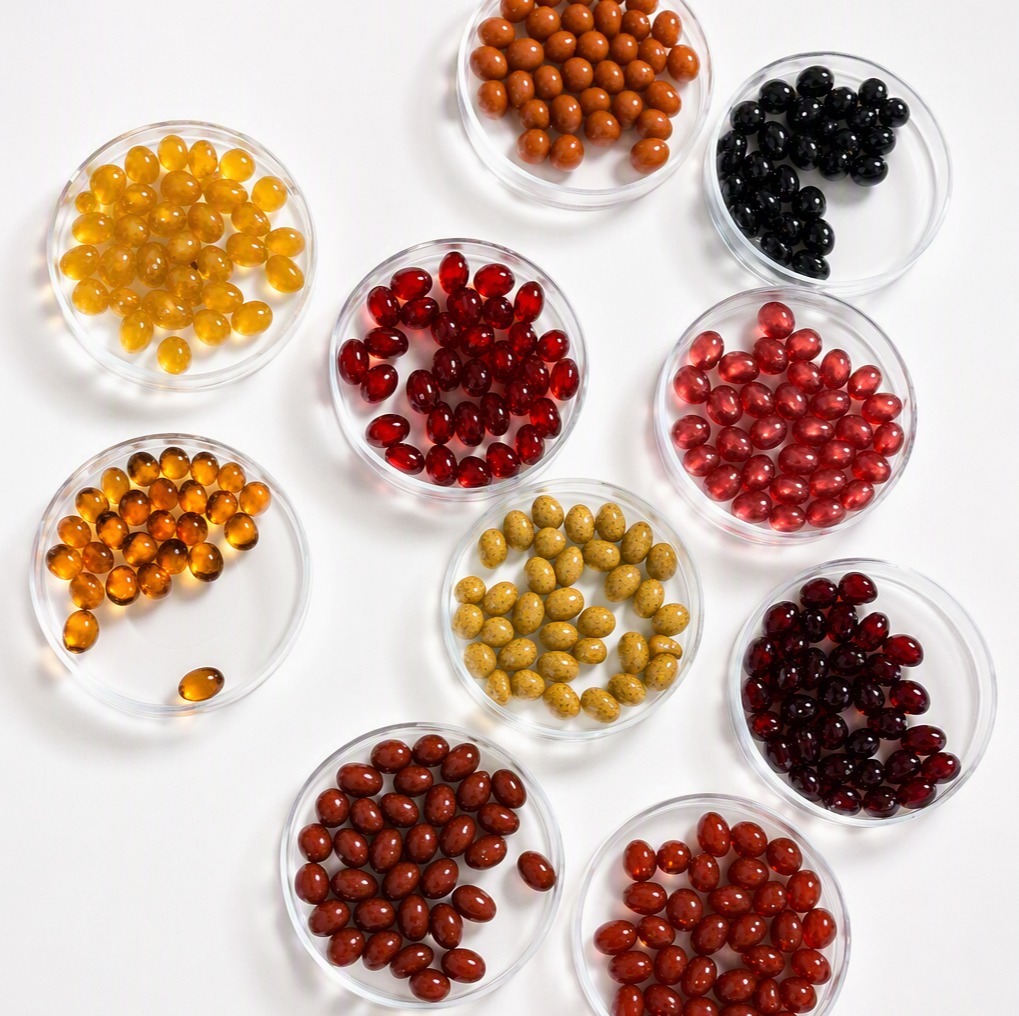
In recent years, growing consumer interest in ingredient transparency and wellness products has increased attention on what sets nutraceuticals apart from dietary supplements. This article explores what nutraceuticals are, how nutraceuticals work and how they compare with dietary supplements in terms of purpose, regulation and usage. It also explains why claims matter: structure/function claims may be appropriate for foods and supplements, while disease treatment or prevention claims can move a product into the drug pathway.
Key Takeaways
- “Nutraceutical” is not a recognized regulatory category in the U.S.; it is an industry term used for food-derived products positioned for health benefits beyond basic nutrition.
- Products described as nutraceuticals may be regulated as foods, dietary supplements, drugs or biologics depending on formulation, intended use and claims.
- Dietary supplements are defined under DSHEA and are subject to specific U.S. GMP, labeling and claims requirements.
- Claims drive classification: structure/function claims may be allowed for foods and supplements, while disease treatment or prevention claims require the appropriate drug pathway.
- Nutraceuticals can be delivered in a range of formats, including tablets, capsules, powders, beverages and functional foods, making dosage form an important part of product design and consumer appeal.
A nutraceutical is commonly understood as a product derived from food sources and positioned to provide health benefits beyond basic nutrition. The term combines “nutrition” and “pharmaceutical,” reflecting the idea that certain food components may support wellness or help maintain normal body functions. In the U.S., however, nutraceutical is not a formal regulatory category. Regulatory status depends on what the product is, how it is used and the claims made for it. The category is also commercially significant: the global nutraceuticals market was estimated at USD 636.2 billion in 2025 and is projected to reach USD 1,151.5 billion by 2033, highlighting the scale of consumer and industry interest in these products (Grand View).
Depending on how they are defined in a given market, they may include functional foods and beverages, medicinal foods formulated for specific dietary needs, so-called pharma foods that combine nutritional value with targeted health support and isolated bioactive ingredients such as polyphenols, carotenoids, probiotics or plant extracts. This range is one reason the term can be useful in marketing and product development, but less consistent in regulation.
Nutraceuticals are often used to:
- Support normal body structure or function
- Help maintain general health and wellness
- Contribute to healthy aging
- Deliver specific food-derived bioactives in a convenient format
Despite their widespread use and recognized benefits, nutraceuticals do not have a standardized regulatory definition. In practice, classification depends on jurisdiction, product format, intended use and the claims made on the label. A product may be treated as a food in one country, a supplement in another and something closer to a medical or therapeutic product elsewhere, which can affect formulation strategy, labeling, market access and compliance requirements.
Types of Nutraceuticals and Examples
Because the term “nutraceutical” is used broadly, it is helpful to separate formal regulatory categories from industry terms. In the U.S., products are classified according to their formulation, intended use and claims, not by the word nutraceutical.
Common regulatory categories include conventional foods, dietary supplements and medical foods. Common industry terms include nutraceuticals, functional foods and pharma foods. For example, omega-3 fatty acids may be marketed as dietary supplements, while highly purified forms may also be approved as drugs for specific medical uses. Similarly, probiotics are often sold as foods or supplements, while some microbiome products are regulated as drugs.
- Functional foods and beverages: everyday products enhanced to deliver added health value, such as probiotic yogurts, omega-3 enriched eggs, fortified cereals, protein drinks or beverages with added vitamins and minerals.
- Medicinal foods: foods or nutrition products developed to support specific medical or dietary needs under professional guidance, such as specialized formulas for metabolic disorders or nutrition support products designed for patients with defined dietary requirements.
- Pharma foods: products positioned between traditional foods and therapeutic concepts, often formulated to support targeted outcomes such as digestive health, immune function, or cardiovascular wellness.
- Isolated bioactives: concentrated components derived from food or botanical sources, including polyphenols, carotenoids, flavonoids, curcumin, plant sterols, probiotics, and other compounds used for targeted functional support.
What is a Dietary Supplement?
A dietary supplement is defined by the Dietary Supplement Health and Education Act (DSHEA) as a product taken by mouth that contains a "dietary ingredient" intended to supplement the diet. These dietary ingredients can include vitamins, minerals, herbs, amino acids, enzymes, metabolites and more. Supplements come in various forms such as:
- Tablets
- Capsules
- Softgels
- Gelcaps
- Liquids
- Powders
Dietary supplements are specifically designed to provide dietary ingredients that may be missing from a person's diet or used to support normal health. Unlike the broader industry term nutraceutical, dietary supplement is regulated under a defined U.S. framework through DSHEA and falls under the category of foods rather than drugs.
 The primary goal of dietary supplements is to address nutritional deficiencies and support overall health. For example, a person with a vitamin D deficiency might take a vitamin D supplement to reach the recommended daily intake. Similarly, dietary supplements can be used to enhance health, such as taking omega-3 fatty acids to support heart health. For formulators, it is also important to understand the U.S. regulatory framework behind these products. In the U.S., dietary supplements are subject to current good manufacturing practice requirements under 21 CFR Part 111, which apply to manufacturing, packaging, labeling, and holding operations and are designed to help ensure product quality, identity, purity, strength, and composition. In addition, if a product contains a new dietary ingredient that was not marketed in the U.S. before October 15, 1994, the manufacturer or distributor generally must submit a new dietary ingredient notification to the FDA at least 75 days before marketing, including information that supports a reasonable expectation of safety under the intended conditions of use.
Key Differences Between Nutraceuticals and Dietary Supplements
While nutraceuticals and dietary supplements both aim to enhance health, they differ significantly in purpose, composition, claims, and regulation.
Purpose and Benefits
Nutraceuticals are typically positioned to provide health and wellness benefits beyond basic nutrition. In practice, this may include supporting normal body functions, healthy aging, digestive balance, immune health or other wellness goals. In the U.S., products cannot claim to diagnose, treat, cure or prevent disease unless they are regulated through the appropriate drug pathway.
Dietary supplements, on the other hand, primarily aim to supplement the diet and address nutritional deficiencies. Their main goal is to provide essential nutrients like vitamins and minerals to support general health.
Composition
The ingredients and formulations of nutraceuticals and dietary supplements vary widely. Nutraceuticals are derived from food sources and may include isolated nutrients, herbal products, and processed foods. Dietary supplements typically contain specific dietary ingredients such as vitamins, minerals, herbs, amino acids, and enzymes.
Claims and Labeling
Claims and labeling are determined by product classification, intended use and jurisdiction, not by whether a product is described as a nutraceutical. In the U.S., foods and dietary supplements may use certain types of claims, including structure/function claims, when they are truthful, not misleading and supported by appropriate substantiation.
Dietary supplements regulated under DSHEA can describe how a nutrient or dietary ingredient supports the normal structure or function of the body, but they cannot claim to diagnose, treat, cure or prevent disease. Disease-related claims can cause a product to be regulated as a drug, regardless of whether it is marketed as a supplement, food or nutraceutical.
Regulation Differences
Nutraceuticals lack a standardized regulatory definition, leading to varying classifications and regulations across different countries. Depending on the jurisdiction, they can be regulated as foods, drugs, or dietary supplements. Dietary supplements, however, are clearly regulated under DSHEA as foods, not drugs. They must be labeled as dietary supplements and adhere to specific manufacturing and safety standards.
|
Feature |
Nutraceutical |
Dietary Supplement |
|
Definition |
Industry term for food-derived products positioned for health benefits beyond basic nutrition
|
Product that supplements diet with specific dietary ingredients |
|
Primary Goal |
Functional health support, wellness positioning, healthy aging
|
Address nutritional deficiencies; support general health |
|
Regulatory Status |
No standardized global definition; classified as food, drug, or supplement by jurisdiction |
Regulated as food under DSHEA (USA); subject to GMP requirements (21 CFR Part 111) |
|
Health Claims Allowed |
Claims depend on product classification, intended use and jurisdiction; disease claims require an appropriate drug pathway in the U.S.
|
Structure/function claims may be used when compliant; cannot claim to diagnose, treat, cure or prevent disease.
|
|
Common Examples |
Omega-3 fatty acids, probiotics, phytosterols, flavonoids, curcumin |
Vitamin D, vitamin C, calcium, magnesium, iron, multivitamins |
|
Common Dosage Forms |
Functional foods, tablets, capsules, powders, beverages |
Tablets, capsules, softgels, powders, liquids |
|
Source |
Derived from food or food components |
May be natural or synthetic; food-derived or manufactured |
Similarities Between Nutraceuticals and Dietary Supplements
Despite their differences, nutraceuticals and dietary supplements share several similarities that make them both valuable for promoting health and well-being.
- Health Benefits: Both nutraceuticals and dietary supplements aim to enhance overall health and well-being. They support various aspects of health, including immune function, heart health, cognitive function, and more. Their shared goal is to provide consumers with products that contribute to a healthier lifestyle.
- Usage: Nutraceuticals and dietary supplements are commonly used as part of daily health regimens. People incorporate these products into their routines to enhance their health and prevent nutritional deficiencies. Available in forms like tablets, capsules, powders and liquids, they offer convenient ways to improve health.
- Formulation Considerations: Both categories can present similar formulation challenges, including protecting sensitive ingredients, improving swallowability, supporting shelf life, and selecting the right dosage form for the intended user experience and product performance.
From a formulation perspective, nutraceuticals and dietary supplements also share many of the same development priorities. Both often rely on similar excipients, tableting and encapsulation approaches, taste-masking strategies, and film coating technologies to improve manufacturability, stability, appearance, and consumer acceptance. In both categories, formulators must consider factors such as flow, compressibility, moisture sensitivity, oxidation risk, and release profile, especially when working with challenging bioactives. Although regulatory treatment may differ by market and product type, both categories also demand strong attention to quality systems, ingredient control, labeling accuracy, and manufacturing consistency to support compliant, reliable products.
How Do Nutraceuticals Work?
Nutraceuticals work by delivering bioactive compounds that interact with normal physiological processes in the body. Depending on the ingredient, these compounds may help modulate inflammatory pathways, support antioxidant defenses, influence the gut microbiome, or contribute to metabolic, immune, or cognitive function. Common examples include probiotics that support digestive balance, plant sterols that help manage cholesterol absorption, and polyphenols or carotenoids that help protect cells from oxidative stress. Their effects are not only determined by the ingredient itself, but also by how well the body can release, absorb, and use that ingredient after consumption.
Bioavailability, Dosage Form, and Absorption
Bioavailability is a critical factor in nutraceutical efficacy because even a well-researched bioactive cannot deliver value if it is not released at the right time or absorbed in sufficient amounts. Formulation choices can influence how a nutraceutical performs by improving ingredient stability, protecting sensitive actives from moisture, light, oxidation, or stomach acid, and supporting more consistent delivery in the gastrointestinal tract. Dosage form also matters. Tablets, capsules, powders, gummies, and functional food applications each present different challenges and opportunities for release, taste, convenience, and consumer acceptance. In some cases, enteric coatings can be especially useful for ingredients such as probiotics or enzymes that benefit from protection in the stomach before release in the intestine.
For manufacturers and formulators, this means product performance depends on more than selecting the right bioactive. It also depends on designing a dosage form that supports stability, manufacturability, and the intended user experience. A simple pathway to visualize this is: ingestion, disintegration or dissolution, protection through the gastrointestinal environment when needed, absorption, and then systemic or localized physiological effect.
For more information on how Colorcon support Nutra companies visit.
Formulating Nutraceuticals: Why Dosage Form and Coating Matter
.jpg?width=342&height=256&name=Stock_LabFilmCoating%20(1).jpg) Formulating nutraceuticals is about more than combining a bioactive with a convenient format. Product performance and consumer acceptance are strongly influenced by dosage form, excipient selection, and protective technologies such as film coating. Whether a product is developed as a tablet, capsule, powder, gummy, or functional food application, formulators must balance stability, manufacturability, sensory experience, and brand expectations while also meeting regulatory and labeling requirements. This is especially important for nutraceuticals because many active ingredients are sensitive to moisture, light, oxygen, heat, or stomach acid, and can be difficult to process consistently without the right formulation strategy.
Formulating nutraceuticals is about more than combining a bioactive with a convenient format. Product performance and consumer acceptance are strongly influenced by dosage form, excipient selection, and protective technologies such as film coating. Whether a product is developed as a tablet, capsule, powder, gummy, or functional food application, formulators must balance stability, manufacturability, sensory experience, and brand expectations while also meeting regulatory and labeling requirements. This is especially important for nutraceuticals because many active ingredients are sensitive to moisture, light, oxygen, heat, or stomach acid, and can be difficult to process consistently without the right formulation strategy.

Practical Formulation Considerations Across Nutraceutical Dosage Forms
Different dosage forms present different formulation demands. Tablets and capsules often require attention to flow, compressibility, swallowability, and appearance, while powders and functional food formats may place greater emphasis on dispersibility, taste masking, and moisture control. Across formats, film coatings can play an important role by improving product aesthetics, reducing dust, supporting swallowability, and helping protect sensitive ingredients from environmental stressors such as humidity, light, and oxidation. For bioactives that need to bypass the stomach, enteric coatings like Nutrateric, help support targeted release in the intestine, which can be particularly relevant for ingredients such as probiotics and enzymes.
Consumer expectations are also shaping nutraceutical formulation. Many brands are looking for label-friendly and clean-label solutions that align with wellness positioning without compromising performance in manufacturing. As a result, formulators increasingly need technologies that support protection, process efficiency, and visual appeal while fitting the product story and target market. For companies developing nutraceutical and dietary supplement products, coating and excipient choices can therefore be a meaningful part of both technical success and market differentiation.
Explore our Nutra Solutions
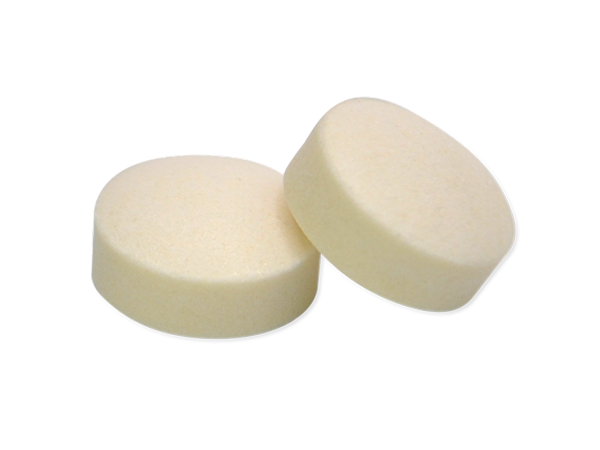
Nutracore®
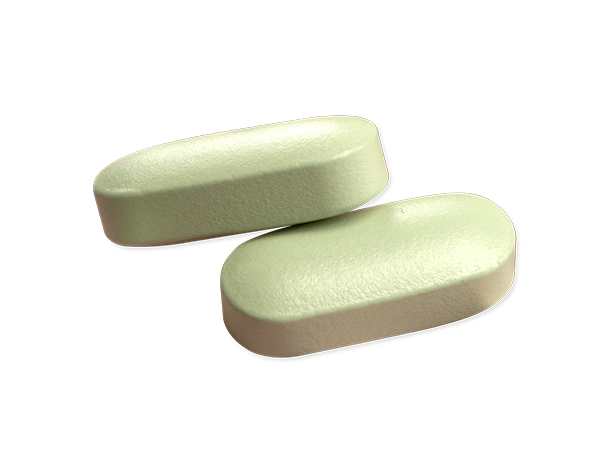
Nutrafinish®
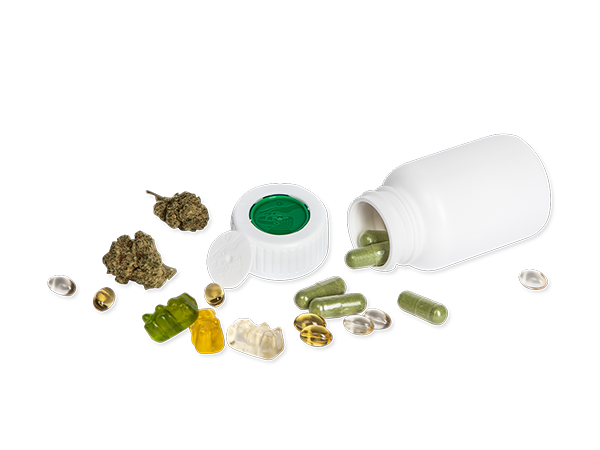
OneLock™
Summary
To recap, “nutraceutical” is an industry term rather than a formal regulatory category. Products described this way are generally derived from foods or food components and positioned for health benefits beyond basic nutrition, but their regulatory status depends on formulation, intended use and claims. Dietary supplements, by contrast, are defined under DSHEA and must meet specific U.S. requirements for labeling, manufacturing and claims.
For pharmaceutical and nutraceutical company executives, the key is to connect product positioning with compliant claims and the correct regulatory pathway. This helps teams develop products that meet consumer expectations while supporting labeling accuracy, market access and long-term brand trust.
Related Resources
- What types of coatings are used in the pharma industry
- Food excipients-what you should know & why they matter
- Nutraceutical Trends: An Overview
- The Challenges and Opportunities of Complex Nutraceutical Products
- Enhancing Probiotic Stability
- Clean Label Supplements: Understanding the Science
Frequently Asked Questions
Are nutraceuticals and dietary supplements the same thing?
No. “Nutraceutical” is an industry term, while “dietary supplement” is a defined U.S. regulatory category under DSHEA. A product marketed as a nutraceutical may still be regulated as a food, dietary supplement, drug or biologic depending on its formulation, intended use and claims.
What is a nutraceutical?
A nutraceutical is commonly described as a food-derived product positioned to provide health benefits beyond basic nutrition. In the U.S., the term is not a formal regulatory category, so classification depends on the product’s intended use and claims.
What qualifies as a dietary supplement?
A dietary supplement is a product taken by mouth that contains dietary ingredients such as vitamins, minerals, herbs, or amino acids to help fill nutritional gaps in the diet.
How are nutraceuticals and dietary supplements regulated?
In the U.S., dietary supplements are regulated as foods under DSHEA. Nutraceuticals are not recognized by FDA as a separate regulatory category and may be regulated as foods, dietary supplements, drugs or biologics depending on formulation, intended use and claims.
Why is it important to understand the difference between the two?
Understanding the distinction helps consumers make informed health choices and enables companies to develop products that meet regulatory requirements and market expectations.
What are examples of nutraceuticals?
Examples of nutraceuticals include probiotics, omega-3 fatty acids, plant sterols, polyphenols, carotenoids, fortified foods, and functional beverages formulated to provide health benefits beyond basic nutrition.
How do nutraceuticals work?
Nutraceuticals work by delivering bioactive ingredients that support normal body functions, such as digestive health, immune response, antioxidant protection, or metabolic balance, with effectiveness influenced by formulation and bioavailability.
What is the difference between a nutraceutical and a functional food?
A functional food is a conventional food with added health benefits, while a nutraceutical is a broader term that can include functional foods, isolated bioactives, and other food-derived products positioned for targeted health support.
Are nutraceuticals regulated by the FDA?
The FDA does not recognize nutraceuticals as a distinct regulatory category. In the United States, these products may instead be regulated as foods, dietary supplements, drugs or biologics depending on their formulation, intended use and claims. Disease treatment or prevention claims require the appropriate drug pathway.

.png)