For manufacturers, this growth brings opportunity, but it also adds complexity. Formulators must balance consumer expectations for clean-label, convenient and science-backed products with practical challenges around ingredient stability, sensory appeal, packaging and regulatory compliance. This article explores the key nutraceutical trends shaping 2026 and the factors influencing success in this fast-moving market.
Key Takeaways
- The global nutraceuticals market is expanding rapidly as consumers take a more proactive approach to everyday health and wellbeing.
- Personalized nutrition, gut health, functional beverages and cognitive support are among the key trends shaping nutraceutical innovation in 2026.
- Clean-label expectations and sustainability goals are influencing ingredient, coating and packaging decisions across the product lifecycle.
- Moisture, oxygen, light and heat sensitivity make stability-focused formulation and packaging strategies essential for many nutraceutical products.
- Manufacturers that align formulation, coating, packaging and compliance early are better positioned to build consumer trust and support long-term growth.
The Nutraceutical Market Landscape
The global nutraceutical market is growing quickly as consumers take a more proactive approach to health and wellbeing. For manufacturers, this creates strong commercial opportunities. Several factors contribute to the expanding nutraceutical market:

|
Market scale and growth trajectory: The global nutraceuticals market was valued at USD 636.2 billion in 2025 and is projected to reach USD 1,151.5 billion by 2033, growing at a CAGR of 7.7%. This reflects the shift from reactive healthcare to everyday wellness. |

|
Aging populations are seeking preventative health solutions: Older consumers are looking for products that support mobility, cognition, cardiovascular health and vitality. This is increasing demand for supplements and functional products focused on healthy ageing. |

|
Increased awareness of the link between diet and health: Consumers are more informed about how nutrition influences wellbeing, immunity and disease prevention. Demand is rising for functional foods, beverages and supplements with targeted benefits. |

|
Rising incidence of lifestyle-related diseases: Higher rates of obesity, diabetes and cardiovascular conditions are encouraging more proactive health routines. Nutraceuticals are increasingly seen as part of everyday weight, metabolic health and wellness support. |

|
Growing interest in personalized nutrition: Consumers are moving away from one-size-fits-all wellness toward products tailored to their needs, lifestyles and goals. Diagnostics, digital tools and subscription models are making personalization more accessible. |

|
Heightened focus on immune system support, particularly post-pandemic: Immune health remains a major purchase driver as consumers seek products that support resilience and wellbeing. Vitamins, minerals, probiotics and botanicals are commonly positioned around immune support. |

|
Shift towards natural and organic products: Consumers are scrutinizing ingredient lists and looking for clean-label, plant-based and naturally sourced options. Manufacturers must balance natural positioning with stability, performance and regulatory compliance. |
These drivers shape consumer preferences and influence product development strategies for Nutra manufacturers.
Popular Nutraceutical Product Categories
Nutraceuticals span a wide range of formats, each designed to deliver health benefits beyond basic nutrition. For manufacturers, understanding where demand is growing helps guide product development, dosage form selection, ingredient choices and packaging strategy.
Dietary supplements remain a core category, led by vitamins, minerals, botanicals, proteins and probiotics.Grand View Research estimates the global dietary supplements market was valued at USD 209.5 billion in 2025, with growth supported by preventive health, ageing populations and increased focus on immunity and everyday wellness.
Functional foods and beverages are also becoming more mainstream as consumers look for convenient ways to add targeted benefits into daily routines. Functional beverages are attracting particular attention because they combine convenience with benefits such as energy, hydration, gut health, immunity and cognitive support.
Probiotics and gut health products continue to show strong momentum, supported by broader interest in the microbiome and its connection to digestive and immune health. Plant-based and vegan formats are also moving from niche positioning to mainstream expectation, especially as consumers look for clean-label, naturally sourced and sustainability-aligned options.
|
Product Category |
Examples |
Primary Health Benefit |
Key Formulation Considerations |
|
Dietary Supplements |
Vitamins, minerals, herbal extracts |
Nutritional gap-filling, preventive health |
Coating for stability and taste-masking |
|
Functional Foods |
Fortified cereals, omega-3 eggs |
Targeted benefit through everyday diet |
Ingredient compatibility with food matrix |
|
Functional Beverages |
Energy drinks, probiotic drinks |
Convenience, rapid absorption |
Liquid stability, encapsulation |
|
Probiotics & Gut Health |
Capsules, gummies, fermented foods |
Digestive and immune health |
Moisture and heat sensitivity |
|
Protein & Sports Nutrition |
Bars, powders, RTD shakes |
Muscle recovery, performance |
Texture, mixability, shelf life |
|
Plant-based & Vegan |
Algae omega-3s, plant proteins |
Ethical and environmental positioning |
Alternative excipient compatibility |
Key Nutraceutical Industry Trends in 2026
Personalized Nutrition
Personalized nutrition is becoming a more practical route to targeted supplementation as consumers look for products that match their health goals, lifestyle and biology. AI-supported recommendations, at-home testing and DNA-based insights are helping brands move beyond generic multivitamins toward more tailored regimens. Subscription and direct-to-consumer models are also making personalization easier to access, while consumers show growing willingness to pay more for products that feel relevant to their individual needs.
Gut Health and the Microbiome
Gut health remains one of the strongest areas of nutraceutical innovation, supported by sustained demand for probiotics, prebiotics and postbiotics. As the category matures, consumers are looking for clearer science, credible claims and products that link digestive health with wider benefits such as immunity, mood and overall wellbeing. New formats, including gummies, drinks and convenient sachets, are helping gut health products reach a broader audience beyond traditional capsule users.
Functional Beverages
Functional beverages are becoming a high-growth format because they combine convenience with clear, occasion-based benefits. Consumers are increasingly drawn to ready-to-drink products that support energy, hydration, immunity, gut health or cognitive performance in a single format. For formulators, liquid delivery can create challenges around ingredient stability, taste, solubility and shelf life, especially when working with sensitive actives such as probiotics, vitamins and botanicals.
Sustainability and Clean Label
Clean label and sustainability are now influencing choices across the nutraceutical value chain, from ingredient sourcing to coating and packaging selection. Consumers are looking for recognizable ingredients, natural colorants, TiO2-free coatings and packaging that aligns with environmental expectations. The challenge for manufacturers is to meet these preferences without compromising product stability, appearance, process efficiency or shelf-life performance.
E-commerce and Direct-to-Consumer Growth
E-commerce and direct-to-consumer channels are reshaping how consumers discover, compare and purchase nutraceutical products. Online retail supports subscription models, personalized regimens and influencer-led discovery, particularly in areas such as sports nutrition, beauty-from-within and healthy ageing. It also creates practical packaging demands, as products must withstand shipping, temperature variation and handling while maintaining pack integrity and consumer confidence on arrival.
Cognitive Health and Nootropics
Interest in cognitive health and nootropics are rising as consumers look for support with focus, memory, stress and mood. The category is moving from niche performance positioning toward broader everyday wellness, with crossover into energy drinks, active nutrition and beauty-from-within concepts. As demand grows, evidence-based positioning, responsible claims and ingredient quality will be increasingly important for building consumer trust.
Smarter Nutraceutical Packaging for Stability, Sustainability and E-commerce
Packaging is becoming a more strategic part of nutraceutical product development. Beyond shelf appeal, the right pack must help protect potency, preserve sensory quality and maintain consumer confidence from filling line to final use. This is particularly important for moisture, oxygen and light-sensitive ingredients such as probiotics, botanicals, vitamins, minerals and functional powders.
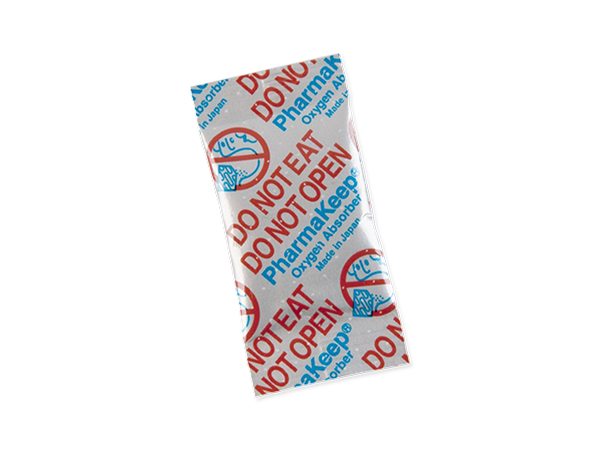
Barrier performance remains central to product stability. Desiccants, oxygen absorbers and modified atmosphere solutions can help manage the internal pack environment, reducing exposure to moisture and oxygen that may affect active ingredient performance, tablet integrity, powder flow, aroma or shelf life. For sensitive formulations, controlled atmosphere packaging can support stability by combining moisture protection, oxygen protection, equilibrium stabilization and odor control in formats suited to healthcare and nutraceutical applications.
At the same time, packaging decisions are increasingly shaped by sustainability and channel requirements. Recyclable plastics, paper-based cartons and lighter-weight flexible formats can help reduce environmental impact, but they still need to deliver the right protection for the formulation. E-commerce adds another layer of complexity, requiring packs that withstand shipping, temperature variation and repeated handling while arriving intact and easy to use.
Smart packaging is also gaining relevance as brands look to strengthen trust and transparency. QR codes, digital product information and NFC authentication can support traceability, consumer education and anti-counterfeiting strategies, especially for premium or personalized nutraceutical products.
Regulatory Landscape and Compliance
Navigating the regulatory environment is a critical challenge for nutraceutical manufacturers as oversight becomes more structured and claims are scrutinized more closely. Requirements vary by region, but the direction is clear: brands need strong evidence, robust quality systems and packaging strategies that support both compliance and consumer trust.
In the US, the FDA’s Human Foods Program, launched in 2024, centralizes food safety, nutrition and dietary supplement policy, signaling a more coordinated approach to oversight. In Europe, food supplements are regulated as foods, while health claims must be scientifically substantiated, evaluated by EFSA and authorized before use in consumer-facing communications.
Packaging compliance is also becoming more important. The EU Packaging and Packaging Waste Regulation (PPWR) entered into force in 2025 and will apply from 12 August 2026, introducing stronger expectations around recyclability, packaging minimization, labelling and waste reduction. For nutraceutical manufacturers, this means regulatory planning must cover the full product lifecycle, from ingredient sourcing and GMP compliance to claim substantiation, quality testing, traceability and packaging design.
Companies that prioritize compliance early are better positioned to enter new markets, protect brand reputation and build confidence with consumers, retailers and regulators.
Formulation and Packaging Solutions for Nutraceutical Manufacturers
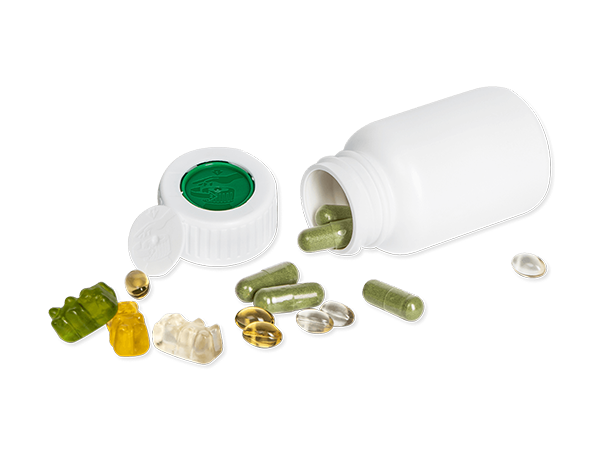
As nutraceutical products become more targeted and consumer expectations rise, formulation and packaging choices have a direct impact on product quality, shelf life and user experience. Film coatings can help protect sensitive ingredients from moisture, light and oxygen, while also improving tablet appearance, swallowability, taste-masking and odor control. These benefits are especially important for large tablets, botanicals, vitamins, minerals and other actives that may be difficult to formulate or unpleasant to consume.
Clean-label and sustainability trends are also influencing coating selection. Colorcon’s Nutrafinish coating systems are designed for nutritional and dietary supplement applications, with options for label-friendly positioning, moisture protection, easier swallowing, high performance processing and TiO2-free formulations. Nutrapure offers an organic coating option for brands seeking a more natural tablet finish. By considering coating, excipients and packaging together, manufacturers can build products that meet consumer expectations without compromising manufacturability or stability. For formulation, coating or packaging challenges, Colorcon technical experts can help identify the right approach for your product and market requirements.
Explore our Products

Nutrafinish®
OneLock™
PharmaKeep®
Looking Ahead: The Future of Nutraceuticals
The future of nutraceuticals will be shaped by consumers who expect more from everyday health products: greater personalization, clearer science, cleaner labels, convenient formats and stronger sustainability credentials. As the category matures, growth will depend on more than new ingredients or trend-led claims. Manufacturers will need to design products that are effective, stable, compliant and enjoyable to use, while also meeting the practical demands of e-commerce and global regulation.
Companies that bring formulation, coating and packaging decisions together early will be better placed to create nutraceuticals that stand out, perform reliably and earn long-term consumer trust.
Related Resources
- What Is a Nutraceutical? Examples & How They Work
- Types of Nutraceuticals
- The Challenges & Opportunities of Complex Nutraceutical Products
Frequently Asked Questions
-
What are the biggest nutraceutical industry trends in 2026?
The biggest nutraceutical industry trends in 2026 include personalized nutrition, gut health and microbiome support, functional beverages, clean-label formulations, sustainable packaging, e-commerce growth and rising interest in cognitive health products.
-
What is the current size of the global nutraceutical market?
The global nutraceuticals market was valued at USD 636.2 billion in 2025 and is projected to reach USD 1,151.5 billion by 2033, growing at a CAGR of 7.7%.
-
What is driving growth in the nutraceutical industry?
Growth in the nutraceutical industry is driven by preventive health, ageing populations, greater awareness of diet and wellbeing, rising lifestyle-related diseases, immune health demand, personalized nutrition and consumer preference for natural, clean-label products.
-
What are the current trends in functional food and beverage nutraceuticals?
Current trends in functional food and beverage nutraceuticals include ready-to-drink formats, fortified everyday foods, probiotic drinks, hydration products, energy support, gut health, immunity and cognitive performance benefits delivered in convenient formats.
-
How is personalized nutrition shaping the future of nutraceuticals?
Personalized nutrition is shaping the future of nutraceuticals by helping brands create products tailored to individual health goals, lifestyles and biology. AI-supported recommendations, at-home testing and subscription models are making targeted supplementation more accessible.