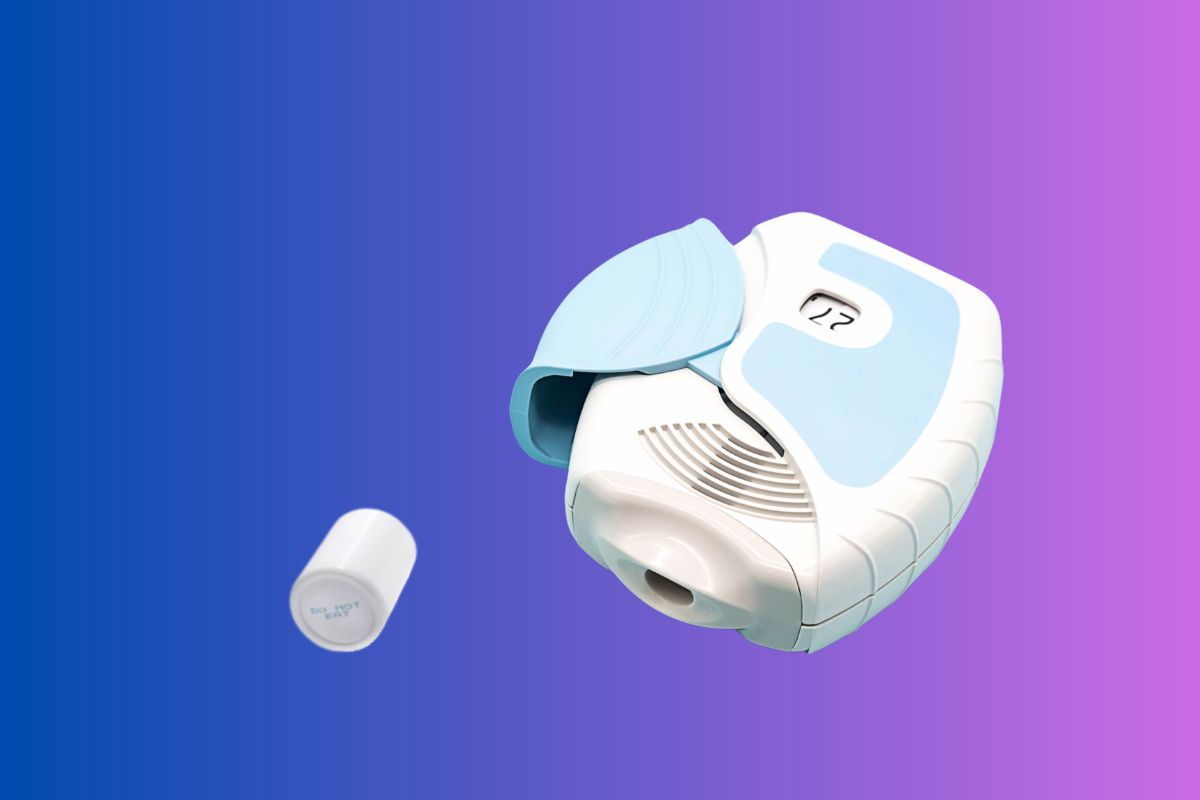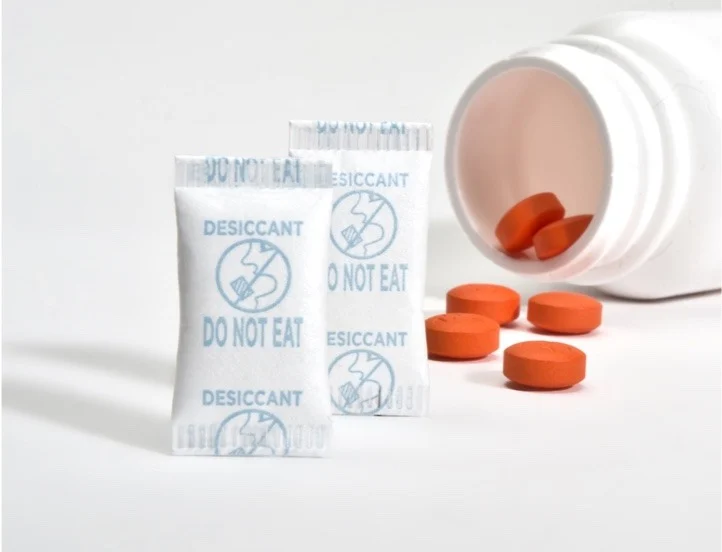
Moisture can negatively affect pharmaceutical and nutraceutical products. Desiccants are placed in packaging to absorb excess humidity and protect tablets, capsules, and powders. This moisture control helps maintain product stability, potency, and shelf life during storage, distribution and use.
Choosing the right desiccant for your product impacts everything from self-life to regulatory compliance, and ultimately, the success of your product in the market. Learn more about the benefits of desiccants.
While shelf‑life extension varies by product, studies demonstrated a 16‑month increase when 2 g of silica gel desiccant was added to the bottle. (PharmTech).
Let's explore the main types of desiccants available for manufactures and how they can protect your pharmaceutical/nutraceutical innovations.
Key Takeaways
- Pharmaceutical and nutraceutical manufacturers use four primary desiccant types—silica gel, molecular sieves, montmorillonite clay, and activated carbon—to control moisture and protect product stability.
- Choosing the right pharmaceutical desiccant is essential for maintaining drug potency, extending shelf life, and ensuring regulatory compliance across storage and distribution.
- Silica gel desiccants are widely used in pharmaceutical packaging due to their high moisture adsorption capacity, safety profile, and suitability for tablets and capsules.
- Highly moisture‑sensitive products such as effervescent tablets, diagnostics, and medical devices often require molecular sieve desiccants to maintain very low relative humidity levels.
- Emerging desiccant packaging innovations, including combination and integrated desiccant solutions, are helping pharma companies enhance moisture protection and streamline packaging design.
4 Types of Desiccants Used in the Pharmaceutical and Nutraceutical Industry
The pharmaceutical and nutraceutical industries rely on several types of desiccants, each with distinct characteristics and applications. Here's an overview of the most used desiccants:
|
Desiccant Type |
Primary Function |
Moisture Performance vs RH |
Key Strengths |
Key Limitations |
Typical Use |
|
Silica Gel |
Broad-range moisture adsorption |
Low uptake at very low RH; adsorption increases at moderate–high RH |
Chemically inert; predictable behavior; wide RH operating range |
Less efficient than molecular sieve at very low RH |
Baseline desiccant for solid oral dosage forms with moderate moisture sensitivity |
|
Molecular Sieve (Synthetic Zeolite) |
High-affinity moisture adsorption |
Strong adsorption at low RH (<20%) |
Excellent low-RH control; highly predictable; minimal moisture release |
Risk of over drying; higher cost |
Highly moisture-sensitive formulations requiring low equilibrium RH |
|
Bentonite Clay |
Moisture adsorption at moderate–high RH |
Adsorption increases with RH; weak at low RH |
Natural material; relatively high capacity at elevated humidity |
High variability; supply-chain risk; poor low-RH performance |
Rarely used as a primary desiccant in regulated pharmaceutical packaging |
|
Activated Carbon |
Gas, odor, and VOC adsorption |
Ineffective for low-RH moisture control |
Extremely high surface area; excellent odor control |
Poor moisture adsorption; not a true desiccant |
Complementary sorbent for odor mitigation, especially nutraceuticals |
 Silica Gel
Silica gel is an amorphous, porous form of silicon dioxide that removes moisture through physical adsorption. Its large internal surface area and wide RH operating range have made it the most widely used desiccant in pharmaceutical packaging.
Key Features
- Effective moisture adsorption across a wide RH range
- Non‑toxic, chemically inert, and compatible with most APIs
- Stable physical structure with predictable adsorption behavior
Performance Evidence
Peer‑reviewed adsorption isotherm studies show that silica gel adsorbs relatively small amounts of moisture at low RH (on the order of ~8 wt% at ~10% RH), with adsorption increasing significantly as RH rises. At moderate RH (~50%), adsorption increases to approximately 20–25 wt%, with higher equilibrium capacities observed at elevated RH conditions. (Biology Insights), (nature.com) Silica gel is one of the desiccant materials addressed in USP <670> as an auxiliary packaging component, which establishes testing expectations but does not prescribe its use. USP <670> requires a minimum capacity of NLT 27% by weight at 25 degrees C and 80% relative humidity. (doi.usp.org)
Practical Considerations
- Less efficient than molecular sieve at very low RH
- Well‑suited for applications with moderate moisture ingress rather than extreme dryness requirements
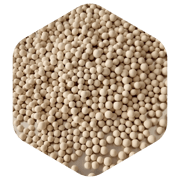
Molecular Sieve
Molecular sieves are crystalline aluminosilicates with uniform pore sizes that strongly and selectively adsorb water molecules. Their ordered structure gives them a much higher affinity for moisture than amorphous sorbents, particularly at low RH.
Key Features
- Strong water adsorption at low RH (<20%)
- Minimal moisture release at elevated temperatures
- Highly predictable adsorption behavior due to uniform pore structure
Molecular sieves are often the desiccant of choice for pharmaceuticals, bio-chemicals, and reagents, especially in Europe.
Performance Evidence
Scientific literature consistently shows that molecular sieves maintain significant adsorption capacity at low RH conditions where silica gel becomes less effective. Adsorption capacities of approximately 18–22 wt% at 25 °C and moderate RH have been reported, with performance remaining strong as RH decreases.
Molecular sieves, like silica gel, are included among desiccant materials evaluated under USP <670> testing frameworks when used in pharmaceutical packaging systems. (doi.usp.org)
Practical Considerations
- Higher adsorption strength increases risk of over‑drying
- Typically selected for highly moisture‑sensitive formulations
- Higher cost relative to silica gel
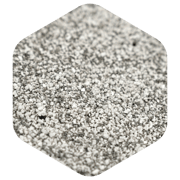 Bentonite Clay
Bentonite clay, typically composed of calcium montmorillonite, is a naturally occurring material capable of adsorbing moisture. While bentonite has legitimate pharmaceutical uses as an excipient, its role as a primary desiccant in pharmaceutical packaging is limited.
Key Features
- Natural mineral with layered structure
- Moisture adsorption increases with RH
- Greater variability compared to synthetic sorbents
Performance Evidence
Standardized testing methods show that bentonite can adsorb moisture amounts comparable to silica gel at moderate‑to‑high RH conditions, with reported adsorption capacities in the 30–40 wt% range under elevated humidity. (ecpltd)
Practical Considerations
- Less effective at low RH
- Greater batch‑to‑batch variability due to natural sourcing
- Supply‑chain risk: pharmaceutical‑grade calcium bentonite is sourced from a limited number of global deposits, which can affect availability and consistency
While bentonite may be included among desiccant types evaluated under USP test methods, it is not commonly used as a primary desiccant in regulated pharmaceutical packaging systems. (doi.usp.org)
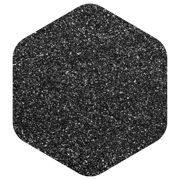 Activated Carbon
Activated carbon is sometimes described as a desiccant, but its primary function is the adsorption of volatile organic compounds (VOCs), residual solvents, and odor‑causing gases, not moisture control at low RH.
Key Features
- Extremely high surface area (hundreds to >1,000 m²/g)
- Highly effective for gas‑phase adsorption
- Water vapor competes strongly for adsorption sites
Performance Evidence
Authoritative studies show that water vapor increasingly occupies adsorption sites on activated carbon as RH increases, which reduces its effectiveness for other gases. At low RH, activated carbon does not efficiently adsorb moisture, making it unsuitable as a primary desiccant in dry environments. (stacks.cdc.gov)
Practical Considerations
- Not appropriate for low‑RH moisture control
- Best used for odor mitigation
- Odor control can influence patient compliance and consumer acceptance, particularly in nutraceutical products
Activated carbon is not positioned as a primary desiccant material under USP <670>, but may be used as a complementary sorbent where gas or odor control is required. (doi.usp.org)
Explore our Desiccant Solutions
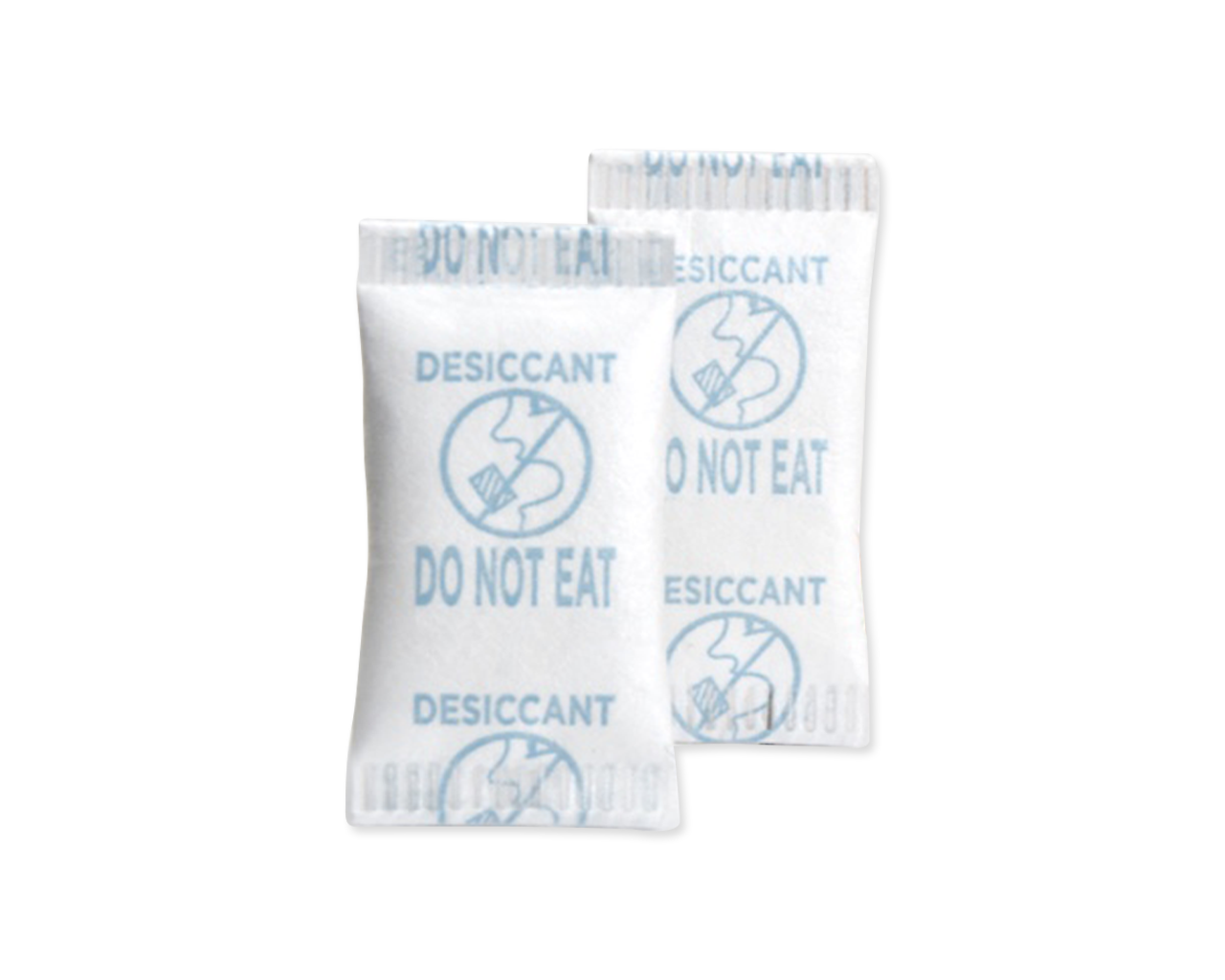
DryGuard™ Desiccant Packets
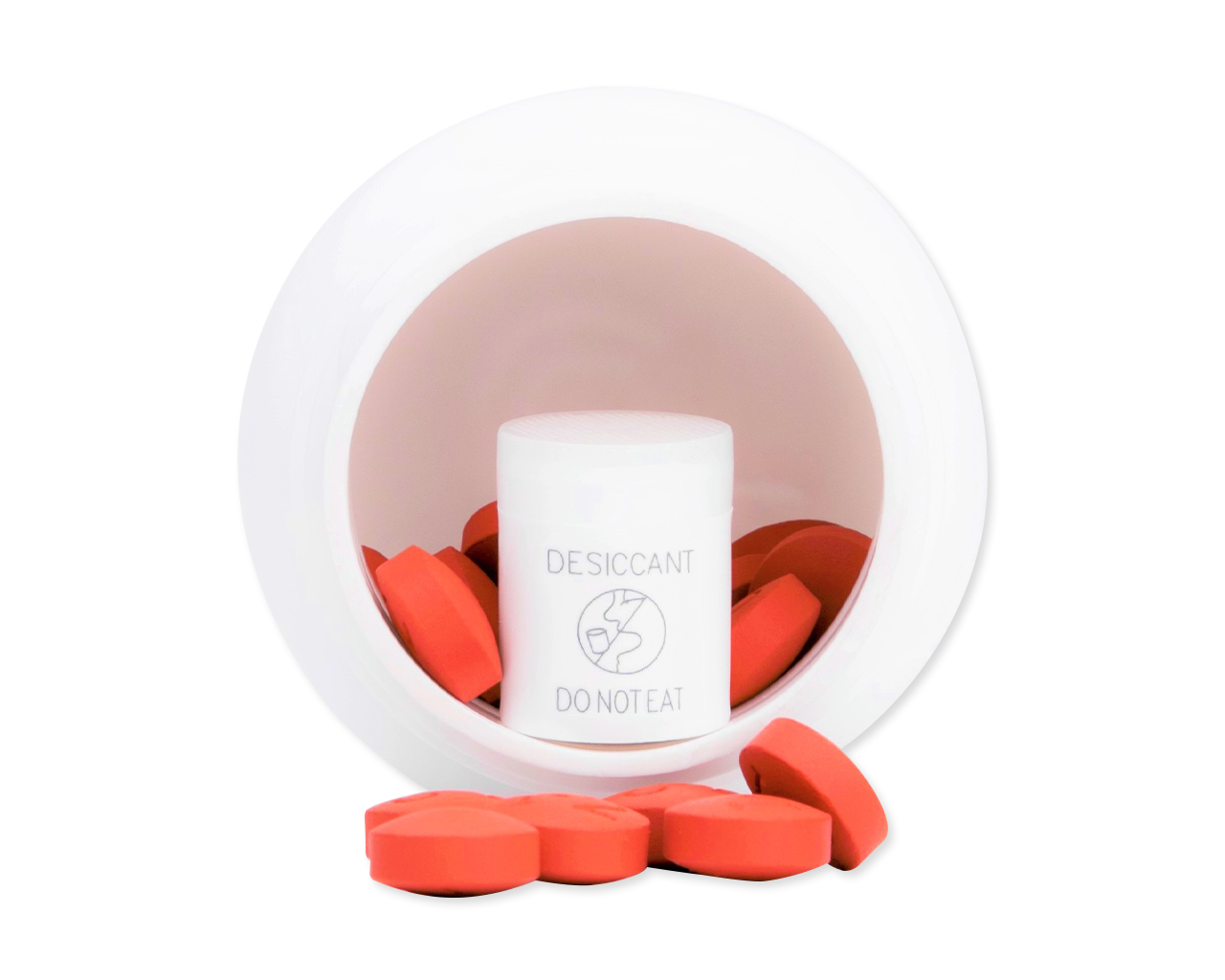
DryGuard™ Desiccant Canisters
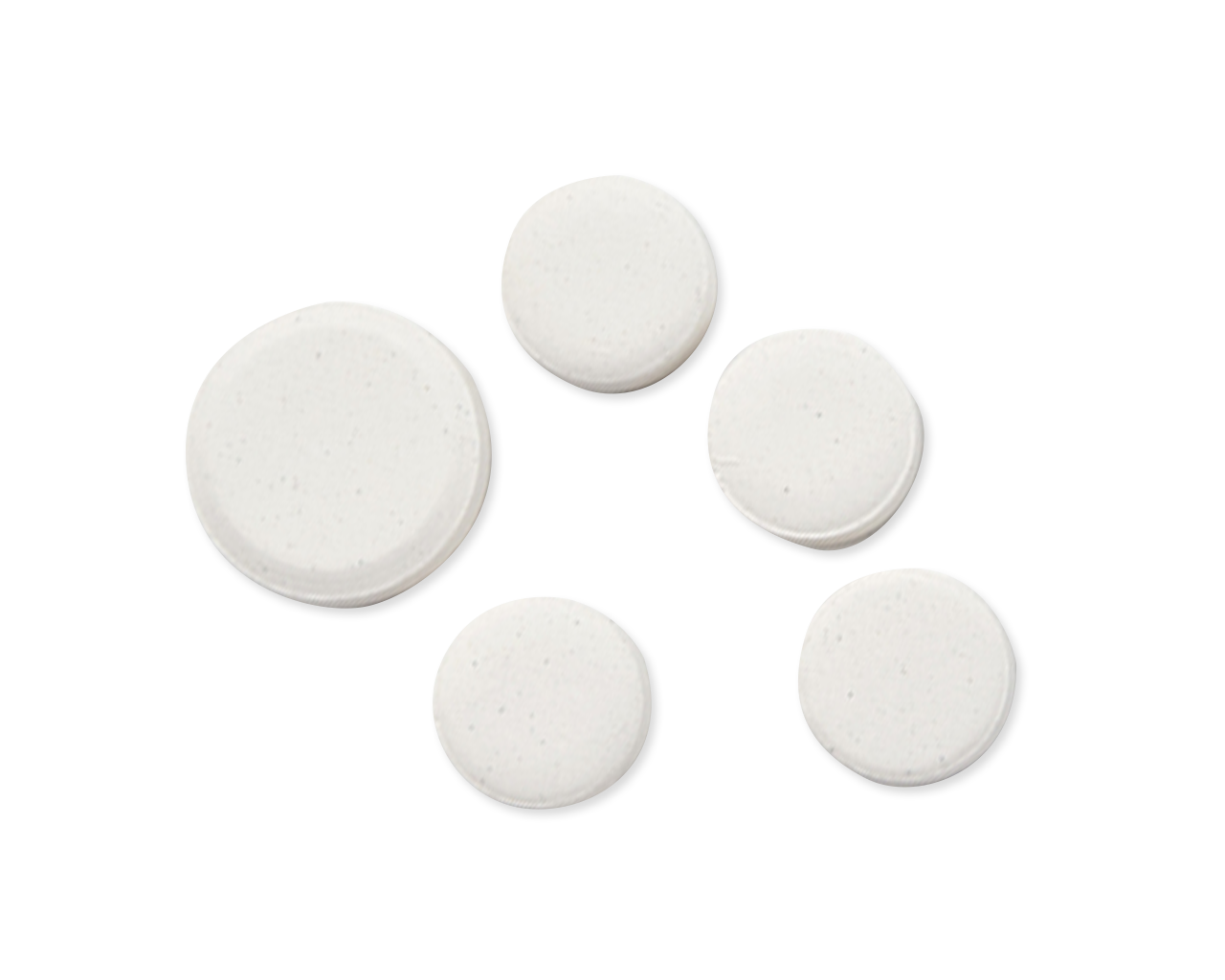
Molecular Sieve Desiccant Tablets
Choosing the Right Desiccant for Pharma and Nutra Applications
Selecting the appropriate desiccant for pharmaceutical and nutraceutical products involves considering several factors:
- Product sensitivity to moisture
- Expected storage and transportation conditions
- Desired shelf life
- Regulatory requirements and approvals
- Cost-effectiveness
- Potential interactions with the packaged product
Each desiccant type offers unique advantages, and the choice often depends on the specific needs of the product and its packaging environment.
Moisture sensitivity varies by dosage form, making desiccant selection essential to product stability. Tablets generally require moderate moisture protection and are well suited to silica gel, while capsules—especially those with hygroscopic fills—may need either silica gel or molecular sieves for enhanced control. Effervescent tablets are extremely moisture sensitive and typically require molecular sieves to maintain a very low relative humidity environment.
For powders and granules, desiccant choice depends on formulation sensitivity, with silica gel or clay commonly used. Diagnostics and medical devices often demand consistently low humidity to protect performance, making molecular sieves or alumina the preferred options.
|
Dosage Form |
Moisture Sensitivity |
Recommended Desiccant Type |
Rationale |
|
Tablets |
Moderate |
Silica Gel |
Balanced moisture control and cost |
|
Capsules |
Moderate to high |
Silica Gel or Molecular Sieve |
Improved protection for hygroscopic fills |
|
Effervescent Tablets |
Very high |
Molecular Sieve |
Maintains low RH environment |
|
Powders & Granules |
Variable |
Silica Gel or Clay |
Depends on formulation sensitivity |
|
Diagnostics / Devices |
High |
Molecular Sieve |
Stable performance at low RH |
Which Desiccant Do I Need? – Quick Reference
 |
Silica gel provides broad‑range, predictable moisture control. |
| |
Molecular sieve offers superior performance at low RH. |
| |
Bentonite clay has limited applicability in pharmaceutical packaging and introduces variability. |
| |
Activated carbon is best positioned for gas and odor adsorption, not low‑RH drying. |

“We use tools like Stablus to understand the actual moisture exposure of a given application. When the moisture load and package environment are quantified, sorbent selection becomes a data‑driven decision rather than a default choice.”
- Mark Florez, Technology Manager for Functional Packaging at Colorcon
Innovative Desiccant Solutions
As the pharma and nutra industries evolve, so do desiccant technologies. Some innovative solutions include:
- Combination desiccants: Products that combine different desiccant materials to address multiple moisture control needs
- Indicating desiccants: Silica gel with color-changing properties to visually indicate moisture saturation levels
- Integrated desiccant packaging: Packaging materials with built-in desiccant properties for streamlined moisture control
These advancements offer pharmaceutical and nutraceutical companies new ways to enhance product stability and extend shelf life.
Final Thoughts
From silica gel to molecular sieves, each desiccant type offers unique benefits for moisture control. By carefully considering product requirements and environmental factors, companies can select the optimal desiccant solution to ensure product integrity, meet regulatory standards, and enhance consumer satisfaction.
As the industry continues to innovate, staying informed about desiccant technologies and their applications will be key to developing high-quality, stable pharmaceutical and nutraceutical products.
Explore More Resources on Desiccants
Frequently Asked Questions
- What are the different types of desiccant materials used in pharmaceuticals?
The main desiccant materials used by pharmaceutical and nutraceutical industries are silica gel, molecular sieves, bentonite clay and activated carbon. - Which desiccant is best for high-moisture products?
Molecular sieve desiccants are generally the best choice for high‑moisture drug products because they can aggressively adsorb water and maintain very low relative humidity levels, even under challenging storage conditions. - How do indicating desiccants work?
Indicating desiccants work by changing color as they absorb moisture, giving a visual signal that the desiccant is becoming saturated and may need replacement. These desiccants—most commonly indicating silica gel—contain a moisture‑sensitive indicator that shifts color as relative humidity rises inside the package, allowing manufacturers, distributors, or end users to quickly assess moisture exposure without opening the container.
- Can desiccant types impact drug shelf life?
Yes — desiccant type can directly impact drug shelf life by controlling the amount of moisture a product is exposed to during storage and distribution. Different desiccants provide different levels of moisture protection, and selecting the wrong type can allow excess humidity to degrade drug potency, stability, and physical integrity, while the right desiccant can significantly extend shelf life. - How do I choose the best desiccant for my product?
Choosing the right desiccant involves evaluating your product’s moisture sensitivity, dosage form, and required equilibrium relative humidity, along with expected storage and distribution conditions. The optimal desiccant balances moisture protection, shelf‑life goals, regulatory expectations, and cost, ensuring stability without over drying the product. Ask Colorcon about Stablus ® predictive simulation tool, to accelerate the decision making process.
.png)