.jpg)
Drug stability is the ability of a medicine to maintain its identity, strength, quality and purity throughout its shelf life when stored under specified conditions. Stability studies ensure that a drug remains safe and effective from the time it is manufactured until the end of its expiration date, without unacceptable changes in potency, physical appearance or the formation of harmful degradation products.
Regulatory agencies such as the U.S. Food and Drug Administration (FDA) and the European Medicine Agency (EMA) play a central role in ensuring that drug stability testing is conducted consistently and in line with global quality standards. Both agencies align closely with International Council for Harmonisation of Technical Requirements for Pharmaceuticals for Human Use (ICH) Q1 stability guidelines, enabling regulatory harmonization across major global markets.
Tablets and capsules are generally very stable, with approximately 90% of tested drugs remaining potent and effective for at least 15 years after their expiry date when stored under optimal conditions (source).
Key Takeaways
- Drug stability testing confirms that medicines maintain their quality, safety and efficacy throughout their shelf life under defined storage conditions.
- Regulatory authorities worldwide rely on harmonized ICH stability guidelines to ensure consistent and comparable stability data across global markets.
- Stability programs evaluate multiple aspects including chemical, physical, microbiological, therapeutic and toxicological stability—to fully assess product performance over time.
- Environmental factors such as temperature, humidity, light and packaging interactions are major drivers of degradation and must be carefully controlled and monitored.
- Well-designed stability strategies not only support regulatory approval but also guide formulation, packaging and lifecycle decisions to protect patient safety and product integrity.
Testing Process Overview
Pharmaceutical stability testing is a structured process designed to determine how the quality of a drug product changes over time under the influence of environmental factors such as temperature, humidity and light. The purpose of stability testing is to establish a product’s shelf life, recommended storage conditions and packaging requirements while ensuring that safety, efficacy and quality remain within acceptable limits throughout the product’s lifecycle.
Study Design and Protocol Development
The stability testing process begins with the development of a detailed stability protocol. The protocol defines the study, including the batches to be tested, packaging configuration, storage conditions, testing intervals and analytical methods. Regulatory expectations for stability testing are largely guided by the ICH Q1A(R2) Stability Testing of New Drug Substances and Products guideline. These guidelines outline recommended storage conditions and testing timelines to ensure consistency across global regulatory submissions.
Typically, at least three representative production batches are placed on stability studies. These batches should be manufactured using the same formulation and process intended for commercial production to ensure the data accurately reflects the final marketed product.
Storage Conditions
.jpg?width=386&height=258&name=shutterstock_2569545755%20(1).jpg) Samples are stored under defined environmental conditions that simulate both long-term storage and potential stress conditions encountered during distribution. The most common conditions include:
Samples are stored under defined environmental conditions that simulate both long-term storage and potential stress conditions encountered during distribution. The most common conditions include:
-
- Long-term testing: e.g., 25°C ± 2°C / 60% RH ± 5% RH
- Accelerated testing: e.g., 40°C ± 2°C / 75% RH ± 5% RH
- Intermediate testing (when required): e.g., 30°C ± 2°C / 65% RH ± 5% RH
Sampling and Testing Intervals
At predefined time points, samples are withdrawn and analyzed using validated analytical methods. Typical intervals for long-term studies are every three months in year one and every six months in year two, although this may extend depending on the intended shelf life.
The testing usually evaluates critical quality attributes such as:
- Assay (active ingredient potency)
- Degradation products and impurities
- Dissolution or drug release characteristics
- Water content or moisture levels
- Physical characteristics (appearance, color, hardness)
- Microbiological quality (where applicable)
All analytical methods used must be stability-indicating, meaning they can accurately detect and quantify degradation products in addition to the API.
Data Analysis and Shelf-Life Determination
The collected stability data is statistically evaluated to determine trends in degradation or changes in product quality. Using these results, manufacturers can estimate the product’s shelf life and establish appropriate expiration dating. If accelerated studies show significant change, additional intermediate studies may be required. In some cases, ongoing stability studies continue even after a product reaches the market as part of post-approval stability commitments.
Ongoing Stability and Lifecycle Monitoring
After commercialization, pharmaceutical companies maintain an ongoing stability program to monitor product quality throughout its lifecycle. This includes placing routine production batches into stability studies each year to confirm that the product continues to meet specifications under approved storage conditions. Overall, stability testing plays a critical role in ensuring that pharmaceutical products remain safe, effective and of high quality from the time they are manufactured until the end of their shelf life.
The 5 Types of Stability in Pharmaceuticals
|
Type of Stability |
What it Involves |
What is Tested |
Why it Matters |
Common Failure Examples |
|
Chemical Stability |
Integrity of active ingredients; resistance to chemical change |
Potency/assay, impurity levels, pH, decomposition |
Ensures medication remains effective, safe |
Loss of potency, increase in impurities, color change |
|
Physical Stability |
Appearance and physical properties |
Color, texture, hardness, dissolution rate |
Maintains proper drug delivery and appeal |
Tablet crumbling, slower/faster dissolution, caking |
|
Microbiological Stability |
Absence of microbial growth or contamination |
Total viable count, presence of bacteria/fungi, preservative effectiveness |
Prevents infection, especially in non-sterile or liquid/biologic drugs |
Microbial contamination, preservative failure |
|
Therapeutic Stability |
Retention of the intended clinical effect |
Bioavailability, clinical effect, in vitro/in vivo correlation |
Ensures patient gets the correct therapeutic response |
Loss of efficacy, reduced absorption or action |
|
Toxicological Stability |
Formation of toxic degradation products |
Levels of toxic impurities, safety thresholds |
Avoids harmful effects from breakdown products |
Generation of harmful byproducts, unacceptable impurity levels |
Chemical Stability
Chemical degradation is the breakdown or alteration of a substance’s chemical structure over time due to chemical reactions, usually caused by interaction with its environment. environmental factors, include:
- Oxygen (oxidation)
- Water or moisture (hydrolysis)
- Light, especially UV (photodegradation)
- Heat
- Other chemicals or pollutants
To access chemical stability API content (% label claim), individual and total degradation products (impurities) and rate of chemical degradation over time are measured during stability testing. Chemical degradation is important because it can limit shelf life, affect performance or safety. Rate of degradation drives decisions in packaging, storage, formulation and regulations.
Solutions to Maximize Stability
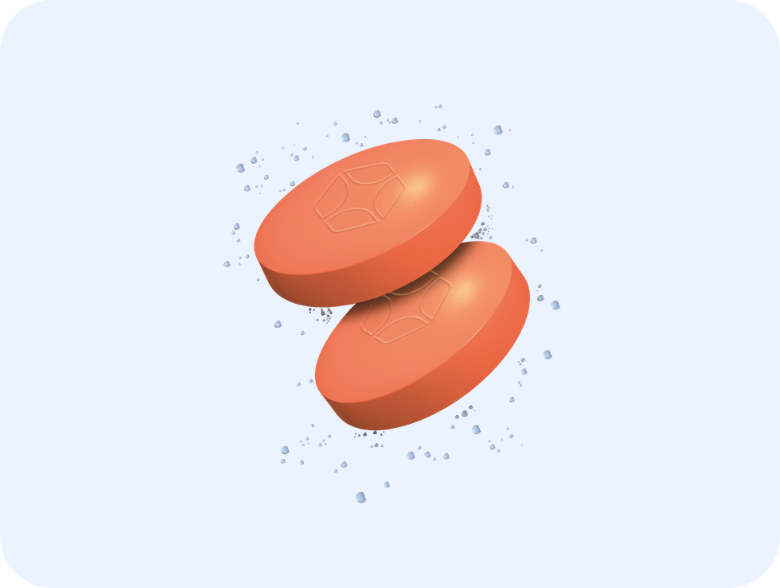
Opadry AMB® II
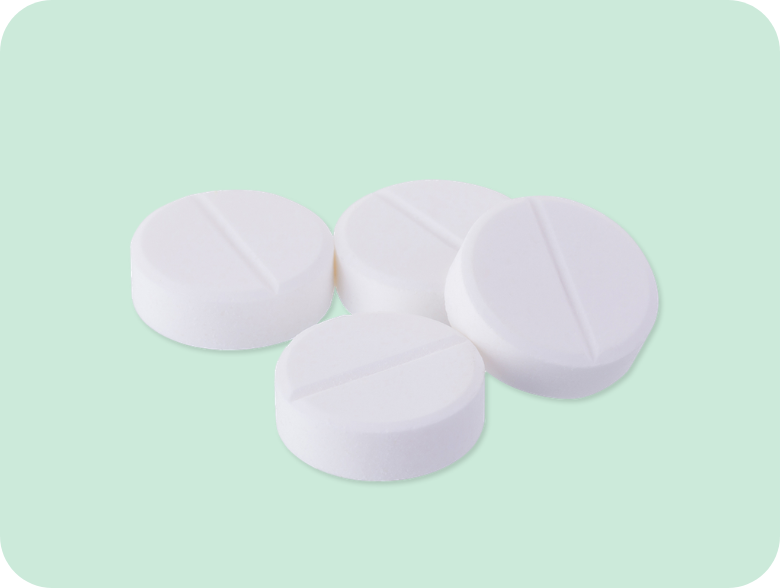
Starch 1500®
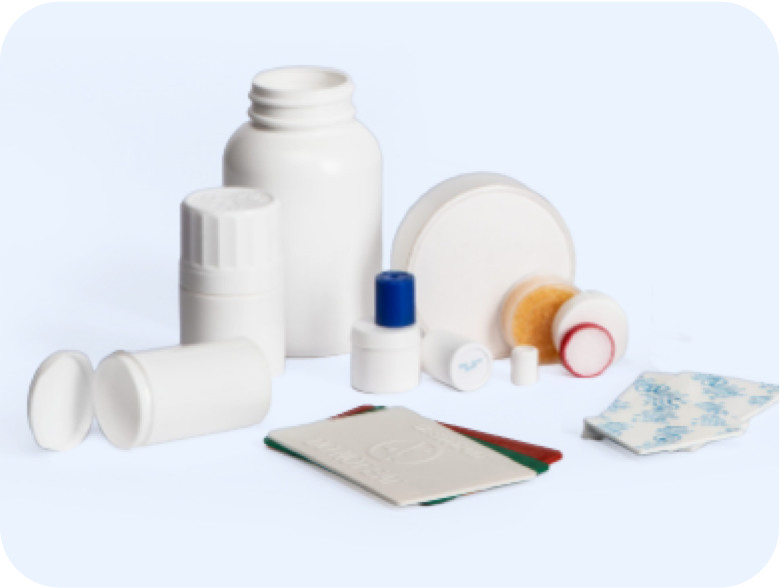
Packaging
Physical Stability
Physical stability is the drug product’s ability to maintain its physical characteristics throughout its shelf life. Unlike chemical degradation, physical instability doesn’t always involve changes to the molecular structure of the API, but it can still significantly impact product quality, performance and patient experience. Common physical attributes monitored during stability testing include appearance, texture, tablet hardness, friability, disintegration and overall structural integrity.
Changes in appearance, such as discoloration, cracking, swelling or surface mottling—can signal underlying formulation or packaging issues and may reduce patient confidence in the product. Texture and mechanical strength are equally important, particularly for solid oral dosage forms. Tablets that become too soft may crumble or break during handling and transport, while tablets that become excessively hard may resist proper disintegration and dissolution. These changes are often influenced by environmental factors such as humidity and temperature, as well as interactions between excipients, the API and packaging materials.
 Dissolution testing plays a critical role in assessing physical stability because it links physical integrity to drug performance. Even when chemical potency remains within specification, physical changes can alter how a drug releases its active ingredient in the body. Variations in tablet hardness, porosity or coating integrity can slow or accelerate dissolution, potentially affecting bioavailability and therapeutic consistency. As a result, dissolution testing is routinely included in stability protocols to confirm that drug release characteristics remain unchanged over time and under different storage conditions.
In modified or controlled-release formulations, even minor physical defects can have an impact on performance, making physical stability especially critical for these products. By identifying and controlling physical changes early through robust stability testing, manufacturers can ensure consistent drug delivery, maintain regulatory compliance, and protect patient safety throughout the product’s shelf life.
Microbiological Stability
Microbiological stability refers to a drug product’s ability to resist microbial contamination and maintain acceptable levels of microbial purity throughout its shelf life. This includes controlling the presence and growth of bacteria, molds and yeasts that could compromise product safety, quality or effectiveness. Microbial contamination can arise from raw materials, manufacturing environments, packaging systems or repeated product use, making microbiological stability a critical consideration across the product lifecycle.
Stability testing for microbiological quality focuses on microbial load and the effectiveness of antimicrobial preservatives, where applicable. Microbial limit testing is used to quantify total viable aerobic microorganisms and to confirm the absence of specified objectionable organisms. These tests help ensure that non-sterile products remain within defined acceptance criteria over time and under approved storage conditions.
For products containing preservatives, preservative effectiveness testing (PET) is conducted to verify that the preservative system continues to inhibit microbial growth throughout the product’s shelf life and during in-use periods.
Microbiological stability is especially critical for injectable, ophthalmic, and topical drug products, where the risk of infection or irritation is significantly higher. Injectable products must meet stringent sterility or microbial control requirements, as even low levels of contamination can pose serious patient safety risks
By incorporating microbiological testing into stability programs and closely monitoring trends over time, manufacturers can confirm that microbial control strategies remain effective, support regulatory compliance, and ensure patient safety from first use through the end of the product’s shelf life.
Therapeutic Stability
Therapeutic stability refers to a medicine’s ability to maintain its clinical performance throughout its shelf life. Storage conditions and mechanical stress can subtly alter formulation attributes that are critical to drug performance, including dissolution rate, release profile or structural integrity. Even when assay values remain within specification, these storage‑related changes can influence how consistently and predictably a drug is delivered to the patient, with potential consequences for therapeutic outcome.
The impact of storage on therapeutic stability is commonly evaluated through measurements that link product quality to clinical performance. In vitro tools such as dissolution and release testing are used as surrogates for in vivo behavior, while bioavailability or bioequivalence studies may be required to demonstrate that drug exposure remains unchanged over time.
Therapeutic stability is especially critical for complex products, including combination drugs, modified release systems and biologics. These products rely on precisely engineered interactions between multiple components such as APIs, excipients, coatings, devices or higher‑order biological structures that can be highly sensitive to environmental conditions. As product complexity increases, robust control of storage conditions and comprehensive stability strategies become essential to ensure sustained therapeutic performance and patient safety.
Toxicological Stability
Toxicological stability ensures that chemical changes that occur during storage do not result in the formation or accumulation of degradation products that could pose a safety risk to patients. As drug substances and excipients are exposed to environmental stressors such as heat, moisture, oxygen or light, degradation pathways may generate impurities with different toxicological profiles from the parent compound. Stability programs are designed to identify and monitor these potentially harmful degradants.
Routine impurity toxicity screening is an integral part of this assessment, combining analytical characterization with toxicological evaluation in line with regulatory thresholds. Impurities that exceed limits must be assessed for genotoxicity or other adverse effects to ensure that patient exposure remains within acceptable safety margins. This is especially important for chronic or high‑dose therapies, where even low‑level impurities can accumulate over prolonged use or contribute disproportionately to overall toxicological burden.
Maintaining toxicological stability throughout the product lifecycle is essential to protect patient safety, support regulatory compliance and ensure confidence in long‑term therapeutic use.
Types of Drug Stability Studies
There are a few different stability studies used in pharmaceutical development, a summary of which can be found in the tablet below.
|
Study Type |
Purpose |
Typical Conditions/Duration |
What it Reveals |
Example Application |
|
Accelerated Stability Study |
Assess stability under elevated stress to predict shelf life quickly |
40°C/75% RH, 6 months (typical) |
Early identification of potential degradation; estimated shelf life |
New product development; regulatory submission |
|
Long-Term (Real-Time) Study |
Assess stability under normal storage conditions |
25°C/60% RH, up to 24–36 months |
True product shelf life and expiration dating |
Ongoing product quality assurance |
|
Intermediate Study |
Evaluate stability under conditions between accelerated and long-term |
30°C/65% RH, 6–12 months (typical) |
Additional data for borderline climates; bridges data gaps |
Products shipped globally |
|
Stress/Forced Degradation Study |
Expose product to extreme conditions to identify degradation pathways |
High heat, strong light, acidic/basic pH, oxidizers |
How drug breaks down and what impurities form |
Method validation; impurity profiling |
|
In-Use (Opened Package) Study |
Assess stability after packaging is opened/during use |
Realistic dispensing/use conditions |
How stability is affected once package is in use |
Multidose vials, oral suspensions |
The most widely used is accelerated stability testing which can reduce study timelines by 65-75% compared to real time studies, allowing early market entry (source).
Accelerated studies are auxiliary, used to:
- Detect potential degradation pathways
- Support extrapolation during development
- Justify provisional shelf life in limited, well‑defined cases.
Accelerated stability conditions can provoke changes of the drug product that may never been seen under long-term stability conditions. Accelerated stability testing alone cannot replace long term stability testing. Long‑term stability data is mandatory to establish shelf life and labelled storage conditions.
Regulatory Requirements and Guidelines
As mentioned, ICH Q1A (R2) is a key international guideline that outlines how pharmaceutical companies should conduct stability testing for new drug substances and finished drug products. Developed by the International Council for Harmonisation of Technical Requirements for Pharmaceuticals for Human Use (ICH), it provides a harmonised framework used by major regulatory authorities such as the FDA and EMA. The guideline describes how stability studies should be designed to evaluate how the quality of a drug changes over time when exposed to environmental factors such as temperature, humidity, and light.
The guideline specifies key areas of stability testing, including the use of long-term, intermediate and accelerated storage conditions, the number of batches to be tested and the frequency of sampling throughout the study period. By standardising stability testing requirements across regions, ICH Q1A (R2) supports consistent regulatory expectations and helps ensure that medicines maintain their safety, efficacy and quality throughout their intended shelf life.
Virtually all global markets (including US, EU, and Japan) require compliance with ICH Q1A (R2) stability testing standards for pharmaceutical approval (source).
Common Challenges for Manufacturers
Manufacturers commonly face challenges in interpreting stability data due to variability introduced by environmental conditions, packaging formats and sampling or handling methods. Temperature and humidity fluctuations, differences between bulk and final packaging and inconsistent sampling approaches can all obscure true stability trends if not carefully controlled.
To manage variability, robust study design is essential. This includes representative sampling plans, consistent analytical methods and the selection of testing conditions that reflect both regulatory expectations and real‑world use. In addition to standard ICH conditions, many manufacturers now incorporate in‑use, bulk‑hold, or stress studies to better understand risks during manufacturing, distribution, and patient handling.
These challenges are more pronounced for unstable compounds or new formulations, where degradation pathways may be poorly understood. In such cases, manufacturers often adopt a combined strategy of formulation optimization and protective measures, such as moisture or oxygen‑barrier coatings and controlled atmosphere packaging, to reduce exposure to environmental stressors.
A Colorcon case study demonstrated that moisture barrier film coatings can significantly reduce degradation of moisture‑sensitive actives, helping maintain potency throughout the dosing period (source).
Solutions for Enhancing Drug Stability
Drug stability testing is a fundamental element of pharmaceutical development, underpinning both product quality and regulatory approval. By evaluating how medicines respond to environmental stresses over time, stability studies ensure that safety, efficacy and performance are maintained throughout a product’s shelf life. Robust, well‑designed stability programs not only support compliance with global regulatory expectations but also give manufacturers confidence that patients receive consistent, reliable therapies from release through to expiry.
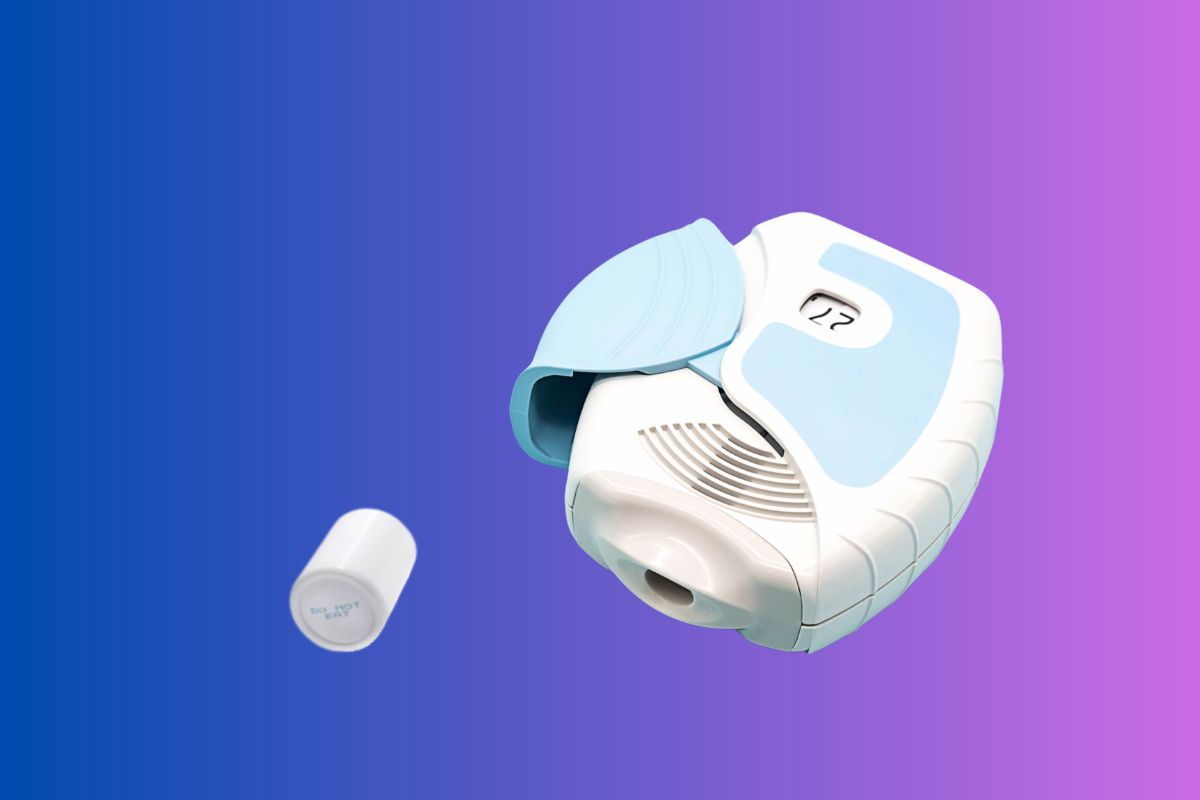
Colorcon provide expertise, solutions and digital tools to support formulators and improve stability of pharmaceutical products. A three-level approach is recommended for highly sensitive actives, starting with core excipients like Starch 1500, known for its moisture scavenging properties, followed by the application of a film coating such as Opadry AMB II and finally using atmosphere controlled packaging to protect the product from degradation.
Contact Colorcon today and we’ll help you find the perfect solution for your project.
Related Resources
- https://www.colorcon.com/education-insights/the-role-of-pharma-excipients-in-enhancing-drug-stability-and-absorption
- https://www.colorcon.com/education-insights/benefits-film-coating-medical-tablets
- https://www.colorcon.com/education-insights/what-types-of-coatings-are-used-in-the-pharma-industry
Frequently Asked Questions
- How long do drug stability studies usually last?
Stability studies typically run for 6 months under accelerated conditions and for a minimum of 12 up to 24 months or longer under long‑term (real‑time) conditions, depending on the intended shelf life and regulatory requirements.
- What are the main storage conditions tested?
The most common storage conditions include long‑term (25°C/60% RH), accelerated (40°C/75% RH), and intermediate (30°C/65% RH) conditions, as defined by ICH stability guidelines. - Is stability testing necessary for every drug and formulation?
Yes. Stability testing is required for all drug substances and finished drug products to demonstrate that quality, safety, and efficacy are maintained throughout the product’s shelf life. - How do stability test results determine expiration dates and packaging?
Stability data are used to identify degradation trends and establish shelf life, which in turn determine expiration dating, recommended storage conditions, and the need for protective packaging such as moisture or oxygen barriers. - Are stability studies required again after manufacturing changes?
Yes. Changes to formulation, manufacturing process, or packaging typically require additional stability studies to confirm that product quality and shelf life remain unaffected.
.png)