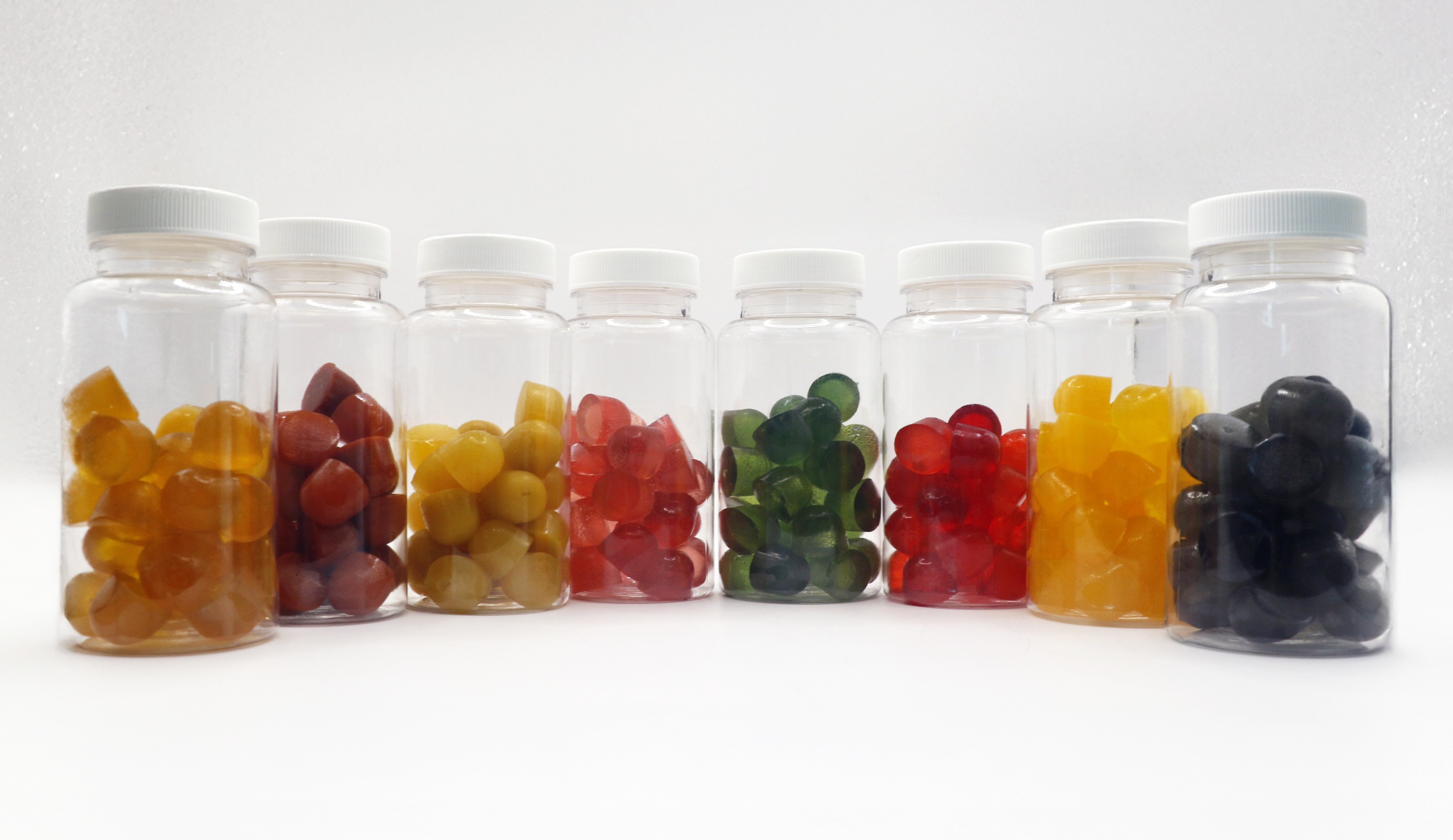
Gummies have rapidly moved from a fun confectionery treat to one of the most in‑demand dosage formats in the nutraceutical world. Consumers love them for their taste and convenience but behind every great gummy is a surprising amount of science, engineering and formulation expertise.
From achieving vibrant, stable colors to preventing stickiness and ensuring shelf‑life, gummies present a unique set of challenges. Here’s a look at the key factors that shape gummy success and how Coloron solutions help brands stand out.
Key Takeaways
- Gummies are one of the most consumer‑friendly nutraceutical formats, but their high moisture content, heat sensitivity and translucent structure make them far more challenging to formulate than tablets or capsules.
- Color consistency is one of the biggest pain points in gummy manufacturing, especially when using natural pigments that are highly sensitive to heat, pH, oxygen, and processing conditions.
- Opatint® Liquid Color Concentrates help solve common gummy color issues by delivering uniform dispersion, improved heat stability, and reliable batch‑to‑batch color consistency.
- Tackiness remains a major manufacturing and packaging challenge for gummies, prompting the need for label‑friendly coating solutions that reduce sticking without compromising consumer appeal
- Long‑term gummy quality depends as much on smart packaging as formulation, with humidity and oxygen control solutions playing a critical role in maintaining texture, color and potency throughout shelf life.
Why Gummies Are Challenging to Perfect
Gummies, unlike tablets or capsules, function as intricate systems. Their water activity, pH, gel-based composition, high moisture level, and translucent characteristics render them highly sensitive to multiple factors:

|
Actives The Active Nutritional Ingredient (ANI) determines the buffering system required to activate pectin or alternative gelling agents, making each gummy formulation distinct and complex. |

|
Type of Actives While some ANIs, such as vitamin C, B-vitamins, and botanicals (e.g., ashwagandha, beet root, turmeric), are well characterized, others—including magnesium citrate, tricalcium phosphate, and creatine monohydrate—present difficulties due to their impact on gelation and alkaline nature. |

|
Choice of Pectin or Gelling Agent Selection varies according to the ANIs used; certain pectin’s pair optimally with botanicals, while others are better suited for mineral-rich formulations. Gelatine can be used with higher pH and lower temperatures. |

|
Achieving Correct Brix Depending on manufacturing processes and actives varying amounts of water must be incorporated and evaporated, adding to the complexity of gummy formulation. |

|
Types of Gummy Bases Sugar-free bases such as polyols and inulin may present additional challenges, often resulting in stickier products or weaker gel structures. |

|
Humidity Excessive moisture causes gummies to become sticky, soft, or merge together, whereas insufficient humidity leads to hardening, cracking, or staleness. Proper packaging and humidity management are therefore vital. |

|
Heat and Processing Conditions During production, gummy mixtures typically require temperatures between 90–110°C, potentially degrading actives, pigments and altering color. |

|
Oxygen Exposure Oxygen-sensitive components—including natural pigments and actives—can deteriorate rapidly, compromising potency and visual appeal. |

|
Natural Pigment Variability Non-synthetic pigments (such as spirulina and beet extracts) may shift in coloration owing to heat, pH, oxidation, and even seasonal changes. Translucent or ineffective packaging can also cause color variation. |

|
Taste Variability Fluctuations in flavor may arise from uneven distribution, breakdown of flavor compounds during thermal processing, interactions with actives, and alterations throughout shelf life. |
Thoughtful formulation is essential to successfully overcome these complexities.
Manufacturing Challenges: Protecting Nutraceutical Actives
Gummy manufacturing can expose active nutraceutical ingredients (ANI) to stress conditions, especially the high temperatures required to process and deposit gelatin- or pectin-based masses. This can compromise heat-sensitive actives and, in practice, drive the use of “overages” (adding extra ANI to compensate for processing losses), increasing cost where the active is often the most expensive component of the dosage form.
Beyond processing, some actives may also be vulnerable to degradation in the gastrointestinal environment. Where this is a concern, formulations may be designed with additional protection strategies to help support delivery and performance.
Opportunity: Microencapsulation to Improve Robustness and Manage Overages
- Helps protect sensitive ANIs during high-temperature processing, supporting retention through manufacture and potency through shelf life.
- Can provide an additional barrier against harsh gastric conditions for sensitive actives.
- May reduce the need for large overages, improving cost control and supporting more consistent product performance.
- Improved efficacy and stability can translate into better consumer satisfaction, stronger brand perception, and healthier margins.
Building a Better Gummy: Key Ingredients
Most gummy formulations share a similar base structure:
- Sucrose (30–50%) or its sugar free alternative to provide sweetness, structure and moisture retention
- Glucose / Corn Syrup (40–60%) or its sugar free alternative – to add texture, reduce crystallization and control costs
- Hydrocolloids (1–15%) – include gelatin, pectin, carrageenan, agar, providing gel structure and texture
- Acids, colors & flavors (1–2%) – to add consumer appeal and improve taste. Acids are also required for pectin gel formation.
Since gummies are predominantly marketed over-the-counter (OTC), appearance and palatability is often what makes or breaks the consumer’s experience, especially in a crowded marketplace.
Color Consistency: The Gummy Industry’s Biggest Pain Point
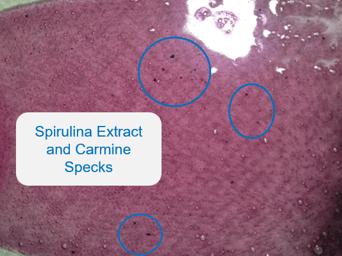 Achieving consistent and repeatable color isn’t easy, particularly for gummies. Natural pigments are unpredictable, and in‑house coloring often leads to issues such as:
- Hot spots and uneven dispersion
- Pigments degrade during cooking
- Batch‑to‑batch variability
- Color shifts over time
To overcome these challenges Colorcon developed Opatint® Liquid Color Concentrates
Benefits of Opatint include:
- Tested for its ability to withstand temperatures of 95–100°C for 1 hour at 3.0-3.7 PH replicating commercial conditions
- Data of change in color are provided with Colorimeter and visual checks
- Does not require refrigeration,
- Does not add any water activity,
- Exceptionally uniform dispersion (no streaks or hot spots) in low shear gummy lines
- Custom color matching for brand consistency
- Improved stability during heating, mixing, and storage
- Regulatory guidance tailored to target markets
- Global availability and technical support
Opatint has been evaluated across dozens of pigment types including non-synthetics, lakes, dyes, oxides and specialty pigments to understand how each performs under real gummy processing conditions. The testing highlights:
Best performers for gummies: Red radish, purple corn, red iron oxide, carmine, red #40, turmeric, riboflavin, safflower, yellow iron oxide, yellow #5, yellow #10, chlorophyllin, blue # 1 and blue # 2, titanium dioxide, caramel (class I & IV) and vegetable carbon.
Most challenging pigments: Spirulina, red beet and calcium carbonate.
These insights help formulators choose colors and develop a plethora of shades that look great on day one and stay consistent throughout the product’s lifecycle.
Tackiness & Texture: Another Gummy Hurdle
Gummies are naturally tacky — great for chewiness but difficult for manufacturing and packaging.
Traditional approaches include mold pre-lubrication and coating gummies in vegetable oil. But too much oil creates a greasy feel and can cloud packaging.
Colorcon’s upcoming label-friendly coating for gummies is designed to reduce tackiness while supporting a clean ingredient profile. Early trials show less sticking after one month across a range of humid conditions. The coating can be applied without special equipment, as it remains a liquid suspension at room temperature and it does not add unwanted taste to the gummies.
Taste Variability: Maintaining Flavor Consistency and Taste Masking
 Just as color and texture stability are essential for appealing gummies, flavor plays a crucial role in consumer satisfaction. Even minor changes in moisture content, pH, or oxidation can impact sweetness, bitterness, and aftertaste, causing noticeable differences from batch to batch. To address this, taste-masking technologies can minimize unpleasant notes, while excipient solutions ensure uniform ingredient dispersion, helping maintain a predictable flavor profile.
Complementing robust formulation and packaging strategies help preserve flavor integrity throughout shelf life. By taking a holistic approach—combining technical expertise, thoughtful ingredient selection and controlled atmosphere packaging Colorcon supports manufacturers to deliver gummies with consistent, reliable taste every time.
Protective Packaging: Where Stability Begins
Even the best‑formulated gummies need the right packaging to survive distribution and stay consumer‑ready. Whether you’re looking for moisture or oxygen control, Colorcon’s extensive range of controlled atmosphere packaging solutions ensure your product remains stable throughout its shelf-life.
Common Storage Risks: Oxygen and Moisture
Gummies can encounter stability issues and often have a shorter shelf life than other dosage forms. Two of the most common external drivers are oxygen and humidity, which can affect both potency and consumer-perceived quality (appearance, texture and palatability) if not controlled.
Oxygen degradation: A decrease in potency can result from oxidative reactions (for example, autoxidation and chain oxidation pathways). While the underlying mechanisms are well understood, inhibiting oxidation in real-world supply chains can be challenging, particularly for oxygen-sensitive actives and some natural pigments.
Moisture degradation: Humidity is often the primary concern for gummy texture. Even small shifts in moisture can lead to stickiness, softening or color change, while overly dry conditions can cause surface cracking, increased hardness and syneresis. Maintaining the right internal pack humidity is critical to preserving the intended “chew.”
Because moisture control is so important, some manufacturers individually wrap gummies to reduce sticking—an approach that can conflict with sustainability goals. Where feasible, a clear label-friendly coating can help reduce tackiness and various controlled atmosphere packaging solutions can maintain quality and shelf-life.
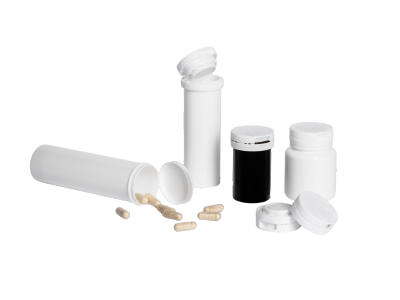
- DryGuard™ Desiccant packets, canisters and capsules contain a variety of sorbent materials and can be dropped into bottles to remove excess moisture.
- EQIUS® Equilibrium RH Stabilizers maintain a target humidity inside packaging, preventing gummies from hardening or softening.
- PharmaKeep® prevent oxidative damage to sensitive actives and natural pigments.
Colorcon’s range of solutions allow brands to tailor humidity and oxygen levels to a gummy’s specific water activity (aw), ensuring consistent texture and potency.
Our Stablus® program simulates packaging performance across climate zones, helping companies shorten time to market, optimize packaging costs and improve long-term stability predictions.
Bringing It All Together
Creating a high-quality gummy that delights consumers requires thoughtful formulation and processing, stable and consistent color, protection of sensitive actives, precise control of water activity, and smart packaging that manages both humidity and oxygen throughout shelf life.
Colorcon brings all of this together — helping brands deliver gummies that look great, taste great, and maintain their quality from factory to consumer, supported by expertise in color systems, coatings and controlled-atmosphere packaging.
Further Reading
Webinar: Mastering Gummy Formulation
Frequently Asked Questions
Why are gummies harder to formulate than tablets or capsules?
Gummies have high moisture content and a gel-based, translucent structure, making them sensitive to humidity, heat, oxygen, and pigment variability. Those factors can quickly impact texture, color and shelf life if they aren’t carefully controlled.
What causes gummy color inconsistency during manufacturing?
Natural pigments can degrade or shift due to heat, pH, light, oxygen exposure and process conditions, leading to hot spots, streaking and batch-to-batch variation. Seasonal variability in some botanical sources can add even more inconsistency.
How do Opatint Liquid Color Concentrates help improve gummy color stability?
They’re designed for exceptionally uniform dispersion and improved stability during heating, mixing and storage, supporting reliable batch-to-batch color consistency. They can also be custom-made to help maintain brand-specific color targets.
Why do gummies get sticky in packaging and how can it be reduced?
A: Gummies are naturally tacky, and changes in humidity can make them soften and stick together during storage. Label-friendly coating approaches and packaging strategies that control humidity can help reduce sticking without creating an oily or greasy feel. Contact Colorcon for more information.
What packaging solutions help protect gummy texture, color and potency?
Controlling internal pack humidity with EQIUS® Equilibrium RH Stabilizers helps prevent gummies from hardening or softening, while PharmaKeep® and Ageless® oxygen absorbers help reduce oxidative damage to sensitive actives and natural pigments. Together, they support more consistent quality across distribution and shelf life.


.png)